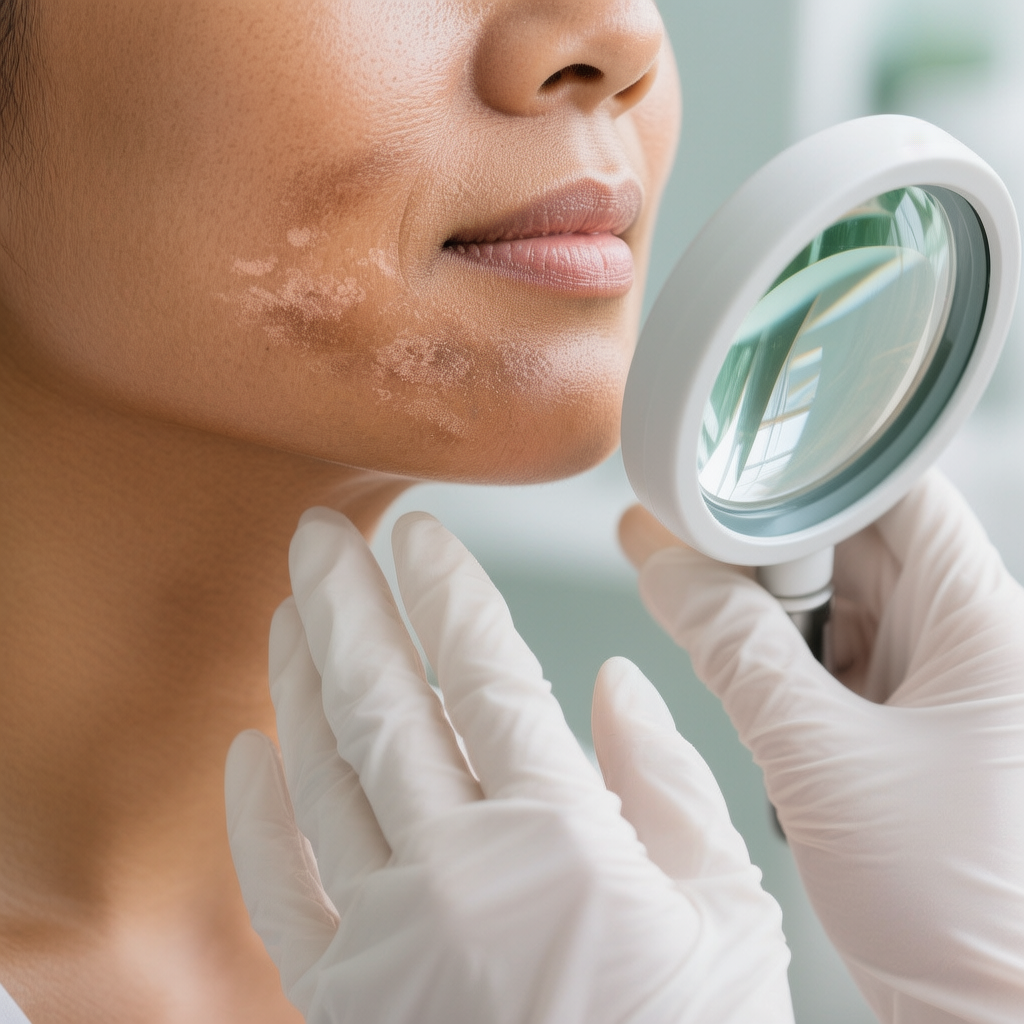
Melasma – sometimes referred to as the “mask of pregnancy” – is a condition that many women faces, and it’s especially relevant in places like Sargodha where sun exposure, heat and hormonal shifts are common. In this post we’ll explore what melasma is, why it happens, the unique considerations for women in Sargodha, and what treatments work best.
What is melasma?
Melasma is a form of hyperpigmentation where patches of skin become darker than the surrounding area. These patches typically appear on the face – for example the cheeks, upper lip, forehead and chin – but they can also show up on neck or forearms. (Medical News Today)
While it doesn’t cause pain or physical discomfort, melasma often affects self-esteem and how a woman feels about her appearance.
Why does it happen? (Causes)
There isn’t a single cause that applies to every case, but a number of key risk factors stand out:
- Sun, ultraviolet and visible light exposure
Exposure to UV-rays and visible light is one of the biggest triggers for melasma. The sun stimulates melanocytes (skin pigment-producing cells) to over-produce melanin in susceptible people. (Harvard Health)
For women in Sargodha, the strong sunlight and high temperatures mean this factor is especially relevant. - Hormonal changes
Women are far more likely than men to get melasma. Pregnancies, use of hormonal contraceptives, the shift in hormones around fertility years all play a part. (Cleveland Clinic)
For example, what’s known as “pregnancy mask” often appears during gestation and may fade afterward. - Genetics and skin type
A family history increases risk: if a close relative has melasma, you’re more likely to develop it. Skin with more melanin (medium brown tones) is more vulnerable. (Medical News Today) - Other triggers
These can include heat, visible light (not just UV), certain medications (like oral contraceptives), thyroid dysfunction, and skin irritation. (NCBI)
In Sargodha, the combination of intense sun, possible hormonal shifts, and maybe limited awareness of triggers makes it important for women to know how melasma develops.
How melasma shows up and what to watch for
Typically, you’ll see symmetrical brown-ish or grey-brown patches on the face. These patches are flat (macules) or slightly broader (patches) and tend to appear on sun-exposed zones. (Medical News Today)
Key points:
- On the cheeks, upper lip, forehead, maybe chin. (Cleveland Clinic)
- Might worsen in summer months, fade (somewhat) in winter or with reduced sun exposure. (Cleveland Clinic)
- It’s harmless medically (not cancerous) but can be persistent and stubborn. (American Academy of Dermatology)
Effective treatments for melasma
Treating melasma requires both addressing triggers and using therapies. For women in Sargodha, combining both will give the best chance of improvement.
- Sun protection first
Without good sun-protection, treatments often fail. You’ll need:
- A broad-spectrum sunscreen (including visible light and UV). (Harvard Health)
- Protective clothing: hats, scarves, avoiding midday sun.
- Minimising heat and visible light exposure (which also triggers melanocytes).
- Topical treatments
Your dermatologist may suggest creams or gels such as:
- Hydroquinone (a melanin-inhibitor) often in 4% or higher strength. (NCBI)
- Tretinoin (a retinoid) to speed cell turnover. (Harvard Health)
- Azelaic acid, kojic acid are alternatives. (Harvard Health)
- Sometimes a “triple combination” therapy (hydroquinone + tretinoin + fluocinolone) for tougher cases. (NCBI)
- Procedures when needed
If topical therapies alone don’t suffice, these may be considered:
- Chemical peels (carefully applied). (Harvard Health)
- Laser or light-based therapies – though with melasma they carry more risk (recurrence or worsening) especially in darker skin types. (Verywell Health)
- Long-term maintenance is key
Melasma often recurs unless triggers are kept in check. So even after improvements, continuing sun-protection and skincare is important. (American Academy of Dermatology)
Why Sargodha women need to pay attention
Women in Sargodha face a few specific conditions: high sun intensity, possible outdoor work, maybe less access to dermatology care, plus cultural factors (covering face, hormonal life changes etc.). Putting all this together:
- If you are outdoors frequently (agriculture, market, chores) your sun exposure is likely higher.
- Heat + visible light adds extra risk beyond UV alone.
- Many women may use creams or home remedies without professional input and find partial results.
- Cultural desire for even skin tone may push some to use unregulated lightening products (which can cause other skin issues).
Therefore, the approach should blend awareness (sun + hormones + lifestyle) plus access to good dermatologic care and realistic expectations.
Practical treatment roadmap for Sargodha women
Here’s a simple plan you or someone you know in Sargodha could follow, after consulting a dermatologist:
- Assessment & trigger check
- Sit with a skin specialist to confirm it is melasma (not another pigment condition) and check for hormone issues (thyroid, contraception use).
- Note your sun-exposure habits, skincare routines, possible hormonal shifts (pregnancy, birth-control).
- Sun-protection routine
- Choose a broad-spectrum physical sunscreen (zinc oxide/titanium dioxide) with SPF 30-50+, apply daily before going out.
- Wear a broad-brim hat, umbrella or shaded scarf when outside.
- Limit direct midday sun exposure and reduce time outdoors during peak heat if possible.
- Begin topical therapy
- Under doctor’s guidance start with a safe lightening cream.
- Use gentle skincare — avoid harsh scrubs or aggressive facial treatments that could trigger pigment rebound.
- Continue for a few months; melasma often improves gradually, not overnight.
- Lifestyle & hormonal awareness
- If you’re using hormonal contraceptives and melasma appears, discuss alternatives with your doctor.
- Consider factors like pregnancy or thyroid disturbance — treat underlying issues if found.
- Maintain healthy skin habits: proper cleansing, gentle moisturising, avoiding irritants.
- Follow-up & maintain
- Monitor progress monthly; if no improvement after several months, ask about additional options (peels, laser) but with caution.
- Stay on sun-protection even after visible improvement. Melasma is notorious for returning.
- Consider camouflage makeup or tinted sun-blocker if patches persist and affect confidence.
What results can you expect?
Be realistic: melasma can improve significantly with good care but may not disappear permanently. For many women in Sargodha the goal is visible reduction and better skin tone rather than total clearance.
Some treatments work faster, but long-term success comes from maintaining preventive habits. If you stop sun-protection or go back to strong sun exposure, those patches may relapse.
Final thoughts
Melasma is a common challenge for women and can feel discouraging, but in Sargodha it’s manageable with the right approach. The key is to understand why it happens (sun + hormones + skin type) and to act on both the causes and the visible appearance. A combination of strict sun-protection, safe topical treatments, professional guidance and lifestyle adjustments gives the best shot at improvement.