
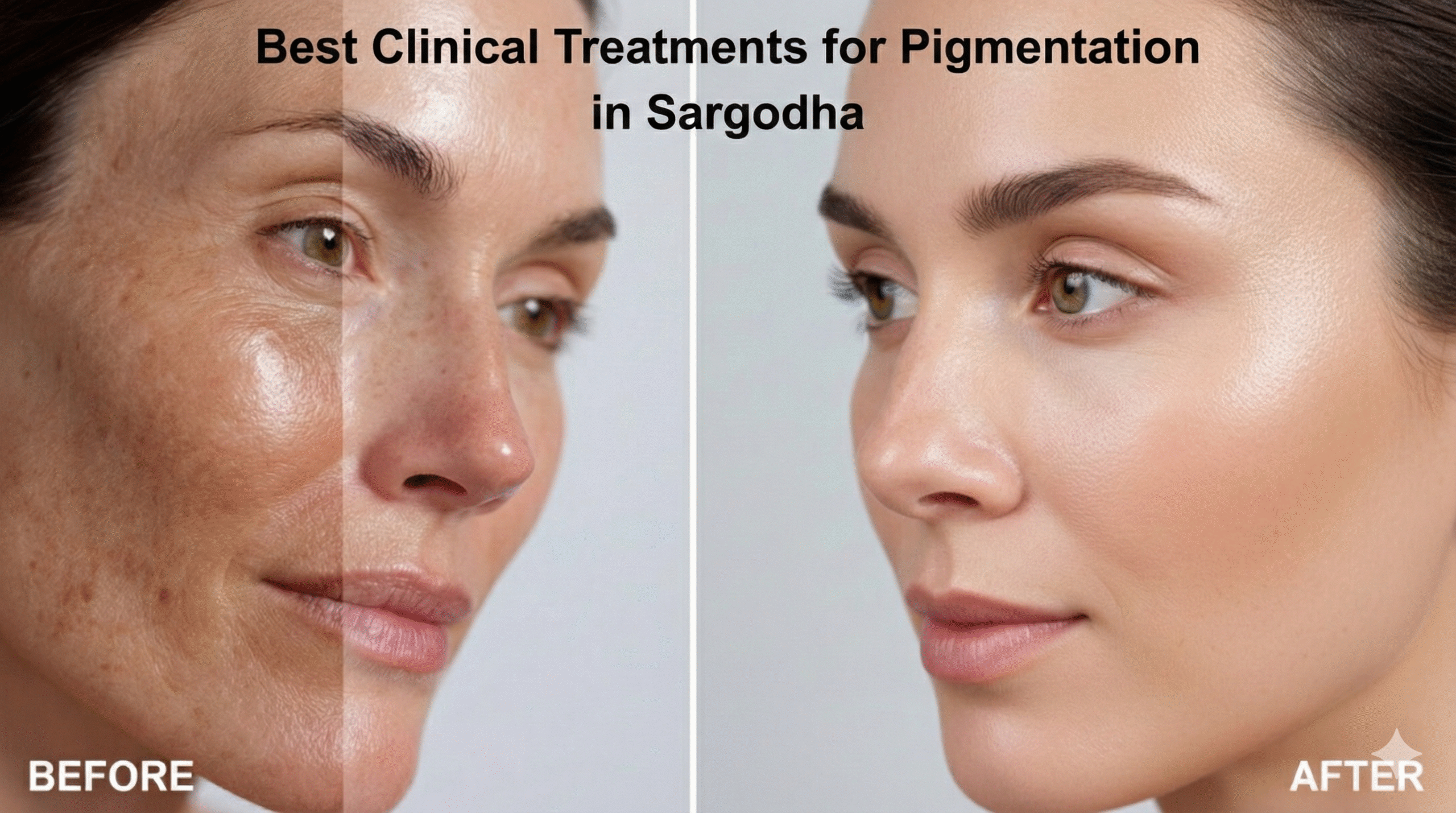
Pigmentation issues like dark spots, melasma, freckles, and uneven skin tone don’t just affect appearance — they can also impact confidence. In a city like Sargodha, where sun exposure, pollution, and hormonal changes are common triggers, more people are turning to dermatologists and skin clinics for safe and reliable solutions.
The good news? Modern dermatology offers a range of advanced treatments that target pigmentation at its root, helping to restore clearer, brighter, and more even-toned skin.
In this guide, we’ll explore the best clinical treatments for pigmentation in Sargodha, how they work, who they’re suitable for, and what kind of results you can realistically expect.
What Causes Pigmentation?
Pigmentation occurs when the skin produces excess melanin — the pigment responsible for skin color. This can happen for several reasons:
Sun exposure: UV rays stimulate melanin production, leading to tanning, sunspots, and dark patches.
Hormonal changes: Pregnancy, birth control, or thyroid issues can trigger melasma.
Inflammation or injury: Acne scars, burns, and cuts can leave post-inflammatory hyperpigmentation.
Aging: Over time, the skin develops age spots due to cumulative sun damage.
Genetics: Some people are simply more prone to pigmentation.
While creams and home remedies may lighten surface-level discoloration temporarily, deep pigmentation usually requires clinical treatment because the pigment lies beneath the surface layers.
1. Chemical Peels
Chemical peels remain one of the most popular pigmentation treatments offered at dermatology clinics across Sargodha.
In this procedure, a dermatologist applies a solution containing active ingredients such as glycolic acid, salicylic acid, lactic acid, or TCA (trichloroacetic acid). This solution exfoliates the damaged outer layer of skin and stimulates cell renewal.
Benefits
Lightens dark spots and melasma
Improves dull, uneven complexion
Smooths fine lines and acne scars
Encourages healthier, newer skin growth
What to Expect
You may feel mild tingling during the procedure. Peeling begins 2–3 days later and usually resolves within a week. Multiple sessions may be required, depending on pigmentation depth.
Who Should Avoid Peels?
People with highly sensitive skin, active infections, or certain skin diseases should always consult a specialist first.
2. Laser Pigmentation Removal
Laser technology has revolutionized pigmentation treatment in recent years. Clinics in Sargodha now use advanced lasers that can precisely target pigmented cells without damaging nearby healthy skin.
The laser energy breaks down melanin particles, which are then naturally cleared by the body over time.
Benefits
Effective for stubborn pigmentation
Works well for freckles, sunspots, and age spots
Minimal downtime
Suitable for various skin types (when performed by trained specialists)
Treatment Sessions
Most individuals require 3–6 sessions, spaced several weeks apart. There may be mild redness or swelling afterward, but it typically subsides quickly.
Laser treatment must always be done by certified dermatologists — improper use can worsen pigmentation or cause burns.
3. Microdermabrasion
Microdermabrasion is a gentle, non-invasive procedure where tiny crystals are used to exfoliate the skin and suction away dead cells. While milder than chemical peels, it can significantly improve superficial pigmentation and give skin a fresh glow.
Benefits
Safe and painless
Good for mild pigmentation and uneven texture
Helps skincare products absorb better
However, microdermabrasion alone may not be enough for deep melasma or long-standing dark patches, so doctors often combine it with other treatments.
4. Microneedling
Microneedling involves tiny sterile needles that create controlled micro-injuries in the skin. This stimulates collagen production and enhances the penetration of brightening serums and growth factors.
It is especially useful for post-acne dark marks and uneven tone.
Why Dermatologists Recommend It
Improves pigmentation and acne scars simultaneously
Tightens and rejuvenates skin
Minimal downtime
Microneedling is usually performed in multiple sessions and is often paired with PRP (platelet-rich plasma) or vitamin-infused serums for enhanced results.
5. Prescription Topical Treatments
Dermatologists in Sargodha also prescribe medical-grade creams that help regulate melanin production. These may contain ingredients like:
Hydroquinone
Retinoids
Kojic acid
Vitamin C
Azelaic acid
Niacinamide
Unlike over-the-counter creams, prescription-strength formulations are more potent and monitored by professionals to avoid side effects such as irritation or rebound pigmentation.
Topicals are often used as maintenance therapy after procedures like peels or lasers.
6. PRP (Platelet-Rich Plasma) Therapy
PRP is gaining popularity in aesthetic dermatology. It uses the patient’s own blood, processed to extract plasma rich in growth factors, and then injected back into the skin.
How PRP Helps Pigmentation
Growth factors accelerate skin repair, reduce inflammation, and encourage regeneration of healthy tissue — all of which help lighten pigmentation over time. PRP works best when combined with other treatments.
Choosing the Right Pigmentation Treatment in Sargodha
Not every pigmentation problem is the same. What works for one person may not be effective for another. That’s why the first step should always be a dermatologist consultation.
During consultation, your doctor will:
Diagnose the type of pigmentation
Identify triggers (sun, hormones, acne, medication)
Recommend a customized treatment plan
Advise realistic expectations and aftercare
Essential Aftercare: Preventing Pigmentation from Coming Back
Even the best treatment can fail if proper aftercare is ignored. Dermatologists universally stress the following:
1. Sunscreen Is Non-Negotiable
UV rays are the biggest enemy of pigmentation. Always use a broad-spectrum SPF 50 and reapply every 2–3 hours, especially when outdoors.
2. Avoid Picking or Scratching
Touching acne spots or scabs increases inflammation and worsens marks.
3. Follow Your Treatment Plan
Skipping sessions or using products incorrectly slows progress. Stick to the dermatologist’s advice.
4. Maintain Hydration & Healthy Diet
Antioxidant-rich foods help skin repair faster.
5. Avoid Self-Experimenting
Using random whitening creams or steroid-based products without guidance can permanently damage the skin.
Why Get Treatment from a Reputable Clinic in Sargodha?
Local, well-equipped clinics offer several advantages:
Qualified dermatologists
Safe, FDA-approved machines
Personalized follow-ups
Transparent pricing and guidance
Choosing untrained technicians or cheap salons may lead to burns, scarring, or worsening pigmentation.
Final Thoughts
Pigmentation can be frustrating, but it is absolutely treatable with the right guidance and clinical care. Whether the concern is melasma, sun damage, acne marks, or uneven skin tone, dermatology clinics in Sargodha now provide a wide range of scientifically backed treatments tailored to your skin type.
The key is not to rush into random remedies — instead, consult a specialist, understand the root cause, and commit to a structured treatment plan with proper aftercare. With patience and consistency, clearer and brighter skin is truly achievable.