
To treat acne safely, you must combine a gentle daily cleansing routine with proven topical active ingredients like salicylic acid, while strictly avoiding physical popping or harsh scrubbing that causes dermal scarring. Acne vulgaris is a chronic inflammatory skin condition characterized by clogged pores, excess sebum production, and bacterial overgrowth. In Pakistan, high temperatures and fluctuating humidity levels significantly increase sebaceous gland activity, making proper dermatological intervention essential. Effective management focuses on regulating oil production, increasing cellular turnover, and neutralizing acne-causing bacteria without compromising the epidermal skin barrier. Relying on scientifically proven methods and professional clinical guidance ensures that current breakouts heal efficiently while minimizing the risk of post-inflammatory hyperpigmentation.
Key Takeaways:
- Safe acne treatment requires a consistent routine using gentle cleansers and targeted active ingredients like 2% salicylic acid or benzoyl peroxide.
- Aggressive physical exfoliation and manual popping increase the risk of severe bacterial infection and permanent tissue scarring.
- Clinical aesthetic procedures, including chemical peels and laser therapy, provide controlled exfoliation and bacterial reduction for persistent breakouts.
- High humidity and high temperatures in Pakistan stimulate excess sebum production, making twice-daily cleansing with non-comedogenic products essential.
- Visible results from topical acne treatments typically require 6 to 8 weeks of uninterrupted daily application.
1. Understanding the Biological Mechanisms of Acne
Acne forms when hair follicles become plugged with keratinized dead skin cells and excess oil, creating an anaerobic environment where Cutibacterium acnes bacteria multiply rapidly. This bacterial overgrowth triggers an acute immune system response, resulting in localized inflammation, redness, and the formation of papules, pustules, or cystic nodules. Understanding this mechanism is the first step in treating acne safely, as it dictates which ingredients are required to disrupt the acne cycle. The process begins with microcomedones, invisible blockages deep within the pore. When these blockages oxidize at the surface, they form blackheads. When they remain closed beneath the skin surface, they present as whiteheads. Hormonal fluctuations, particularly increases in androgens during puberty, menstruation, or due to conditions like Polycystic Ovary Syndrome (PCOS), stimulate the sebaceous glands to enlarge and overproduce oil. By targeting these specific biological pathways, individuals can manage symptoms effectively and safely.
2. Core Over-the-Counter Ingredients for Safe Treatment
Safe over-the-counter acne management relies on keratolytic and antibacterial ingredients applied consistently over a period of 6 to 8 weeks to alter skin cell behavior. Incorporating the right active molecules into your regimen is critical for long-term clarity. The American Academy of Dermatology guidelines emphasize the use of proven topical formulations to manage mild to moderate acne safely at home.
Salicylic Acid (Beta Hydroxy Acid)
Salicylic acid is a lipophilic (oil-soluble) acid capable of penetrating deeply into the lipid-rich environment of the pore. It functions as a keratolytic agent, dissolving the intercellular desmosomes that hold dead skin cells together. This action effectively unclogs pores and prevents future comedone formation. Formulations containing 0.5% to 2% salicylic acid are considered safe for daily use and can support mild to moderate acne management.
Benzoyl Peroxide
Benzoyl peroxide acts as a potent antimicrobial agent by introducing oxygen into the pore, which neutralizes the anaerobic Cutibacterium acnes bacteria. Unlike oral antibiotics, topical benzoyl peroxide does not cause bacterial resistance. It is commonly used for inflammatory acne, including red papules and pus-filled pustules. Concentrations ranging from 2.5% to 5% are highly effective and generally cause less irritation than higher 10% formulations.
Niacinamide (Vitamin B3)
Niacinamide is a water-soluble vitamin that reduces cutaneous inflammation and regulates sebum excretion. Applying a 2% to 5% niacinamide serum helps calm the redness associated with active acne lesions and strengthens the skin’s lipid barrier. It is exceptionally well-tolerated by sensitive skin types and can be layered safely with other acne-fighting active ingredients.
3. Establishing a Daily Skincare Routine for Acne-Prone Skin
A safe daily routine for acne-prone skin involves cleansing twice daily, applying a targeted treatment serum, and sealing the skin with a non-comedogenic moisturizer and broad-spectrum SPF. Consistency in this daily regimen regulates oil production and maintains an intact skin barrier.
- Step 1: Gentle Cleansing. Wash your face every morning and evening using lukewarm water. Utilizing specialized anti-acne facewash options containing salicylic acid helps dissolve surface impurities without stripping essential skin lipids. Massage the cleanser into the skin for 60 seconds to allow the active ingredients time to bond with the skin.
- Step 2: Targeted Treatment. Apply a thin layer of your chosen active ingredient (such as benzoyl peroxide or a retinoid) strictly to the affected areas. Allow the product to absorb completely for 3 to 5 minutes before applying subsequent layers.
- Step 3: Barrier Hydration. Acne treatments inherently cause mild dryness and epidermal flaking. Applying an oil-free, gel-based moisturizer containing hyaluronic acid or ceramides prevents transepidermal water loss and keeps the skin barrier resilient.
- Step 4: Sun Protection. Post-inflammatory hyperpigmentation darkens when exposed to ultraviolet radiation. Applying a non-comedogenic SPF 30 or higher every morning is mandatory to prevent dark spots from becoming permanent as acne heals.
4. Professional Clinic Treatments in Sargodha
Severe or persistent cystic acne requires in-clinic dermatological interventions such as targeted chemical peels, laser therapy, and structured extraction processes to safely clear the skin without long-term damage. For residents in Sargodha seeking professional help, visiting an aesthetic clinic ensures access to sterilized, medical-grade treatments tailored to specific skin profiles. According to Mayo Clinic’s acne management resources, clinical procedures are highly effective adjunct therapies for stubborn acne conditions.
Chemical Resurfacing
Professional grade chemical peels utilizing high concentrations of Salicylic Acid, Glycolic Acid, or Trichloroacetic Acid (TCA) rapidly accelerate cellular turnover. These controlled exfoliation treatments penetrate the epidermis, purge clogged pores, and drastically reduce the surface bacterial load. A series of 3 to 6 treatments spaced 4 weeks apart is typically recommended for optimal clearance.
Laser and Light Therapies
Intense Pulsed Light (IPL) and specific laser wavelengths target the porphyrins produced by acne bacteria, destroying the bacteria safely without damaging surrounding tissue. Additionally, specific laser treatments reduce the size of sebaceous glands, permanently decreasing oil output.
Scar Remodeling
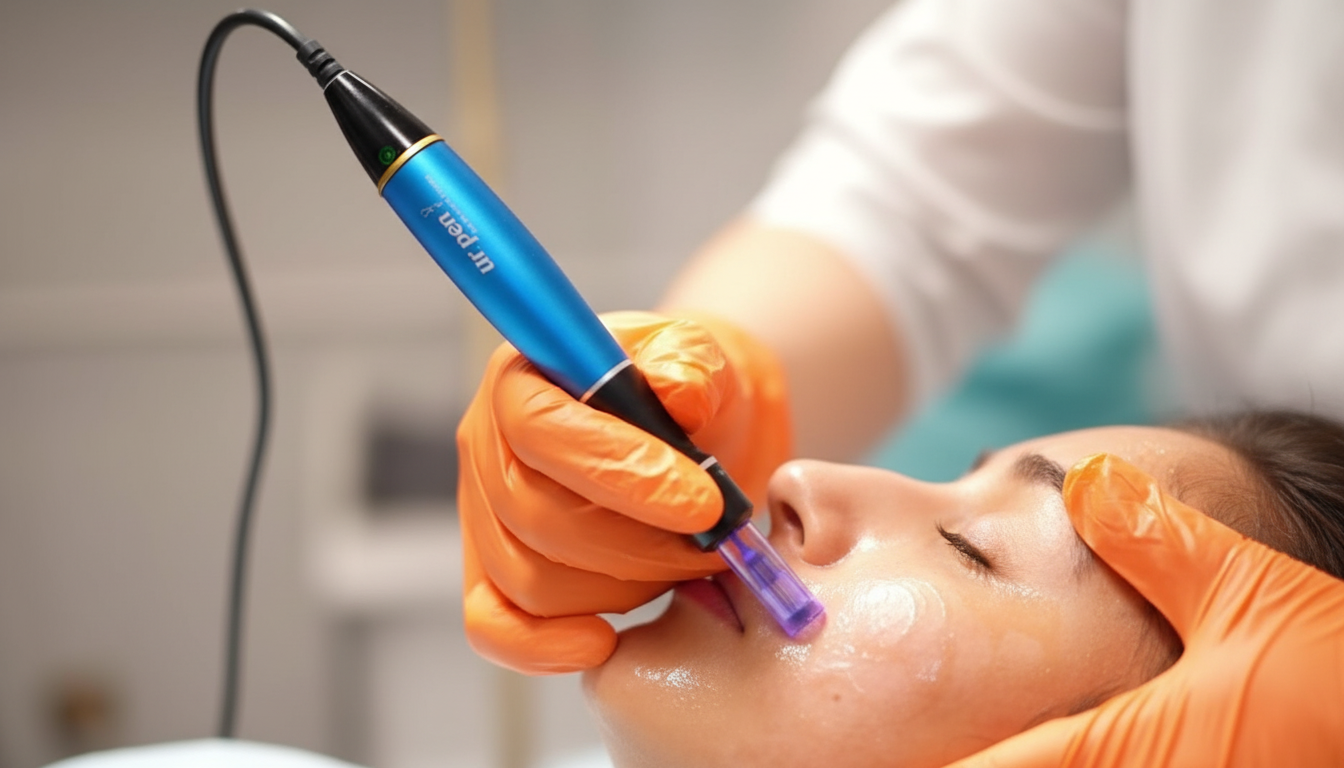
Once active acne is controlled, patients often deal with atrophic scarring. In-clinic procedures such as microneedling and specific acne scar removal treatments stimulate collagen and elastin production, physically remodeling the dermis to smooth out indented scars over a period of 3 to 6 months.
5. Common Mistakes to Avoid When Managing Breakouts
Using multiple harsh active ingredients simultaneously damages the acid mantle, leading to severe barrier compromise, increased water loss, and a subsequent surge in oil production that worsens acne. Patient compliance and patience are critical components of aesthetic safety. Avoid washing the face more than twice a day, as overwashing signals the sebaceous glands to overcompensate by generating more sebum. Never manually extract or pop cystic acne lesions; this action ruptures the follicle wall beneath the skin surface, spreading bacteria into healthy adjacent tissue and triggering deep atrophic scarring. Avoid using thick, occlusive oils like coconut oil or cocoa butter on the face, as these molecules are too large to absorb and sit on the surface, directly blocking follicular openings.
| Treatment Approach | Best Used For | Time to See Results | Safety Profile |
|---|---|---|---|
| Topical Salicylic Acid (2%) | Blackheads, Whiteheads, Mild Congestion | 4 to 6 weeks | High. Mild dryness may occur initially. |
| Topical Benzoyl Peroxide (2.5% – 5%) | Inflammatory Papules and Pustules | 4 to 8 weeks | Moderate. Can bleach fabrics and cause peeling. |
| In-Clinic Chemical Peels | Persistent Acne, Textural Irregularities | 1 to 3 treatments | High when performed by certified professionals. |
| Manual Popping at Home | None | Immediate damage | Very Low. High risk of infection and scarring. |
Conclusion
Treating acne safely requires a structured, patient approach that prioritizes barrier health alongside bacterial control. By understanding the biological triggers, utilizing evidence-based topical ingredients, maintaining a non-comedogenic daily routine, and seeking professional clinic treatments in Sargodha when necessary, individuals can achieve clear skin. Consistency in application and avoiding abrasive mechanical habits are the cornerstones of successful acne management.
Frequently Asked Questions
Can I pop my pimples at home safely?
No, popping pimples at home pushes bacteria deeper into the follicle, increasing the risk of severe inflammation, bacterial infection, and permanent dermal scarring.
Does diet affect acne breakouts?
Yes, diets high in refined carbohydrates, sugars, and dairy products can increase insulin levels, which stimulates excess sebum production and worsens inflammatory acne.
Is it necessary to wear sunscreen if I have acne?
Yes, daily application of a broad-spectrum, non-comedogenic SPF 30+ sunscreen protects healing acne lesions from developing permanent post-inflammatory hyperpigmentation.
Will washing my face more often cure my acne?
No, washing your face more than twice a day strips the skin of its natural lipid barrier, causing the sebaceous glands to overcompensate by producing more oil.
Can professional aesthetic treatments cure acne permanently?
No, professional aesthetic treatments manage current breakouts, reduce bacterial loads, and minimize scarring, but acne requires ongoing maintenance and proper daily skincare to prevent future flare-ups.