
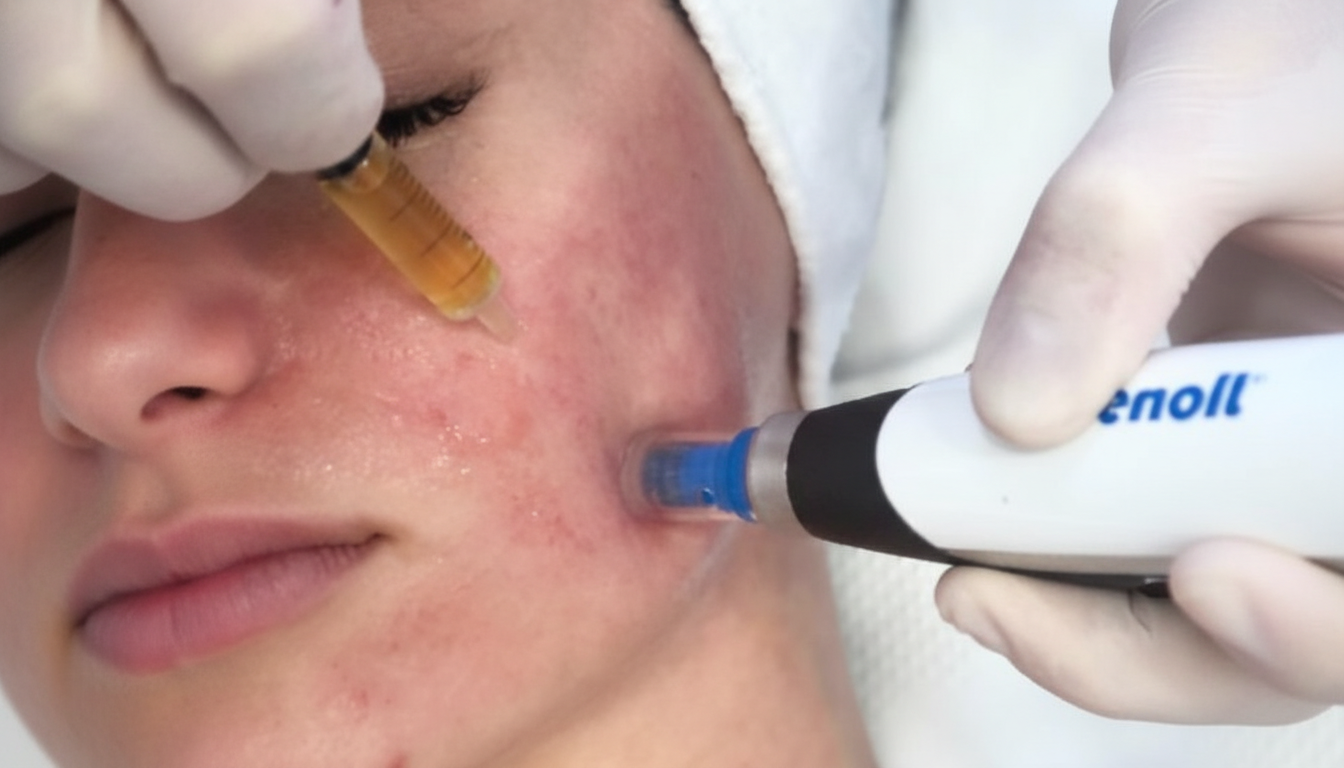
Treating rosacea safely requires combining diligent daily sun protection, a gentle barrier-repairing skincare routine, and targeted professional medical therapies. Rosacea is a chronic, inflammatory skin condition characterized by facial flushing, persistent redness, visible blood vessels, and occasionally acne-like lesions. Because rosacea compromises the epidermal barrier, aggressive exfoliation or harsh chemical ingredients typically worsen the symptoms. Effective management prioritizes soothing inflammation and rebuilding the skin’s structural integrity. In regions with intense climates, such as Pakistan, protecting sensitive facial skin from ultraviolet radiation and extreme temperatures becomes a daily necessity for preventing painful flare-ups.
Key Takeaways:
- Safe rosacea treatment requires avoiding known triggers like UV exposure, extreme heat, and spicy foods.
- A minimalist skincare routine using fragrance-free, non-comedogenic products protects the compromised skin barrier.
- Professional medical aesthetic treatments, including light therapy and vascular lasers, can reduce persistent redness safely.
How to Treat Rosacea Safely
1. Understanding Rosacea Subtypes and Common Triggers
You can manage rosacea triggers by identifying specific environmental, dietary, and emotional factors that provoke facial vasodilation. Medical professionals classify rosacea into 4 primary subtypes: Erythematotelangiectatic (redness and visible blood vessels), Papulopustular (redness with swelling and acne-like bumps), Phymatous (skin thickening, commonly on the nose), and Ocular (eye irritation and swollen eyelids). Recognizing your specific subtype helps in selecting the most appropriate management strategy.
Environmental and Thermal Triggers
The most frequent environmental trigger is unprotected exposure to ultraviolet sunlight, which accelerates skin inflammation and degrades collagen structures around blood vessels. Thermal triggers include hot weather, hot baths, saunas, and overly heated indoor environments. In areas like Sargodha, managing the intense summer heat requires proactive temperature regulation to prevent sudden and severe episodes of facial flushing. Seeking shade, wearing wide-brimmed hats, and using physical cooling mechanisms (like cool compresses) help maintain a stable skin temperature.
Dietary and Emotional Factors
Dietary triggers commonly involve spicy foods containing capsaicin, hot beverages, and alcohol. These items stimulate nerve endings that cause peripheral blood vessels to dilate rapidly, increasing facial redness. Emotional stress and anxiety provoke hormonal fluctuations and increase sympathetic nervous system activity, leading to systemic inflammation and localized facial flushing. Maintaining a daily trigger diary helps pinpoint exact causes, allowing patients to modify their lifestyle effectively. For comprehensive lists of documented triggers, dermatologists often refer patients to resources provided by the National Rosacea Society.
2. Building a Safe Daily Skincare Routine
A safe daily skincare routine for rosacea involves using mild, non-foaming cleansers, hydrating moisturizers, and broad-spectrum mineral sunscreens. Proper daily care minimizes the risk of chemical irritation while providing the hydration necessary for cellular healing.
Step 1: Gentle Cleansing
Cleansing should occur twice daily using lukewarm water and a fragrance-free, non-comedogenic cleanser applied directly with clean fingertips. Avoid using washcloths, facial sponges, or mechanical exfoliating brushes, as physical friction damages the delicate stratum corneum (outer skin layer). After washing, gently pat the face dry with a soft, clean cotton towel rather than rubbing the skin.
Step 2: Barrier Repair Moisturization
Moisturizing is a critical step because the process traps essential water within the epidermis and helps repair the compromised skin barrier. Patients should select moisturizers formulated with ceramides, hyaluronic acid, or niacinamide. These specific ingredients soothe irritation, reduce trans-epidermal water loss, and decrease overall redness. Applying moisturizer immediately after cleansing, while the skin is still slightly damp, maximizes hydration retention. Incorporating safe, clinically tested skincare products ensures the skin remains calm throughout the day.
Step 3: Strict Sun Protection
Sun protection remains the most vital component of safe rosacea management. Patients must apply a broad-spectrum sunscreen with a Sun Protection Factor (SPF) of 30 or higher every single morning. Mineral-based sunscreens containing zinc oxide or titanium dioxide are highly recommended, as chemical sunscreen filters frequently cause stinging or burning on hyper-sensitive skin. Reapplication is required every 2 hours during outdoor activities. Using a high-quality physical sunblock shields the vulnerable facial skin from harmful UVA and UVB radiation without inducing chemical irritation.
3. Professional Clinical Treatments for Rosacea
Safe professional clinical treatments for rosacea include vascular laser therapy, intense pulsed light (IPL) devices, and customized medical-grade soothing facials. When topical home care is insufficient, medical aesthetic clinics offer advanced modalities to address structural skin issues safely.
Vascular Lasers and Light Therapies
Vascular lasers, such as the Pulsed Dye Laser (PDL), specifically target telangiectasia (visible broken blood vessels) on the face. The specialized laser energy is absorbed exclusively by the red pigment (hemoglobin) within the blood. This process heats and coagulates the problematic vessels without damaging the surrounding healthy tissue. Intense Pulsed Light (IPL) therapy utilizes multiple wavelengths of light to reduce widespread background redness and improve overall skin texture. Both modalities require a series of 3 to 6 sessions spaced 3 to 4 weeks apart to achieve optimal, long-lasting results.
Prescription Topicals and Oral Medications
For patients diagnosed with the papulopustular subtype of rosacea, clinical practitioners may prescribe targeted topical medications containing ivermectin, metronidazole, or azelaic acid. These formulations reduce localized inflammation and clear acne-like lesions. In moderate to severe cases, oral antibiotics (such as doxycycline) utilized at sub-antimicrobial doses effectively reduce systemic inflammation without contributing to antibiotic resistance. To determine the safest and most effective protocol for your specific condition, scheduling a comprehensive derma consultation in Sargodha provides personalized medical guidance.
4. Skincare Ingredients to Strictly Avoid
To prevent severe rosacea flare-ups, you must avoid applying skincare products containing alcohol, artificial fragrances, witch hazel, menthol, and strong exfoliating acids. Reading ingredient labels meticulously prevents accidental exposure to common chemical irritants.
Common Chemical Irritants
Alcohol (frequently listed as SD alcohol, denatured alcohol, or isopropyl alcohol) acts as a volatile astringent that rapidly evaporates moisture from the skin, causing immediate burning sensations and prolonged dryness. Witch hazel, peppermint, and eucalyptus contain compounds that trigger neurogenic inflammation in hyper-reactive skin. Artificial fragrances, including natural essential oils, serve as common allergens that provoke contact dermatitis and exacerbate baseline erythema (redness). For further reading on ingredient safety, the American Academy of Dermatology provides extensive guidelines on sensitive skin management.
The Danger of Exfoliants
Strong chemical exfoliants disrupt the skin’s acid mantle. High concentrations of Alpha Hydroxy Acids (AHAs) like glycolic acid, or Beta Hydroxy Acids (BHAs) like salicylic acid, aggressively strip the protective outer layers of the skin. Mechanical scrubs containing walnut shells, microbeads, or sugar crystals cause micro-tears in the epidermis, leading to increased vascular reactivity and prolonged inflammation.
5. Dietary and Lifestyle Adjustments for Long-Term Control
Long-term control of rosacea requires implementing lifestyle adjustments such as adopting an anti-inflammatory diet and practicing daily stress-reduction techniques. Internal physiological factors play a significant role in managing external skin symptoms.
Anti-Inflammatory Nutritional Choices
Consuming an anti-inflammatory diet helps regulate systemic immune responses. Foods rich in omega-3 fatty acids, including wild-caught salmon, walnuts, chia seeds, and flaxseeds, provide building blocks for healthy cell membranes and reduce overall inflammation. Conversely, patients should limit their intake of histamine-releasing foods (such as aged cheeses, fermented products, and processed meats), refined sugars, and high-glycemic carbohydrates. Monitoring the temperature of food and beverages is also crucial; allowing coffee, tea, and soups to cool to a lukewarm temperature before consumption prevents heat-induced vasodilation.
Stress Management and Exercise Modifications
Elevated cortisol levels resulting from chronic stress compromise immune function and delay skin barrier repair. Integrating 10 to 20 minutes of stress-reduction practices—such as deep diaphragmatic breathing, mindful meditation, or gentle stretching—lowers sympathetic nervous system activity and reduces the frequency of stress-induced facial flushing. When engaging in physical exercise, patients should opt for low-intensity workouts in cool, well-ventilated environments. High-intensity interval training in heated rooms rapidly elevates core body temperature, triggering severe flare-ups. Breaking cardiovascular workouts into shorter 15-minute segments prevents excessive overheating.
Safe vs. Unsafe Skincare Ingredients
| Ingredient Category | Safe for Rosacea Skin | Unsafe for Rosacea Skin |
|---|---|---|
| Moisturizers | Ceramides, Hyaluronic Acid, Glycerin | SD Alcohol, Denatured Alcohol |
| Sootheners | Niacinamide, Centella Asiatica, Allantoin | Menthol, Camphor, Peppermint |
| Sun Protection | Zinc Oxide, Titanium Dioxide | Oxybenzone, Avobenzone (in some cases) |
| Cleansers/Toners | Mild Surfactants, Micellar Water | Witch Hazel, Sodium Lauryl Sulfate (SLS) |
| Scents | Fragrance-Free Formulations | Artificial Fragrance, Essential Oils |
Conclusion
Managing rosacea safely is an ongoing process that demands consistency, patience, and a deep understanding of your unique skin triggers. By prioritizing a gentle, barrier-repairing skincare routine, applying mineral sunscreen daily, and avoiding known chemical and environmental irritants, patients can significantly reduce the frequency and severity of flare-ups. While topical care is essential, integrating safe professional clinical treatments like vascular lasers or targeted LED therapies provides advanced relief for persistent redness and visible blood vessels. Always consult with a qualified medical aesthetic practitioner to develop a customized treatment protocol that addresses your specific rosacea subtype while maintaining the highest safety standards for your skin.
Frequently Asked Questions
Yes, rosacea can be managed effectively with proper care?
Yes, rosacea can be managed effectively through a combination of trigger avoidance, gentle daily skincare routines, and customized professional medical treatments.
No, is there a permanent cure for rosacea?
No, there is currently no permanent medical cure for rosacea. However, consistent treatment plans can suppress symptoms and keep the condition in long-term remission.
Yes, does sun exposure make rosacea symptoms worse?
Yes, unprotected ultraviolet (UV) sun exposure is the most common trigger for rosacea, causing increased inflammation, facial redness, and barrier damage.
No, should I use physical facial scrubs if I have rosacea?
No, you should never use physical facial scrubs, rough washcloths, or mechanical cleansing brushes on rosacea-prone skin, as friction exacerbates inflammation and damages the skin barrier.
Yes, are mineral sunscreens safer for rosacea than chemical sunscreens?
Yes, mineral sunscreens containing zinc oxide or titanium dioxide are safer for rosacea because they sit on top of the skin to reflect UV rays, minimizing the risk of chemical irritation and burning.