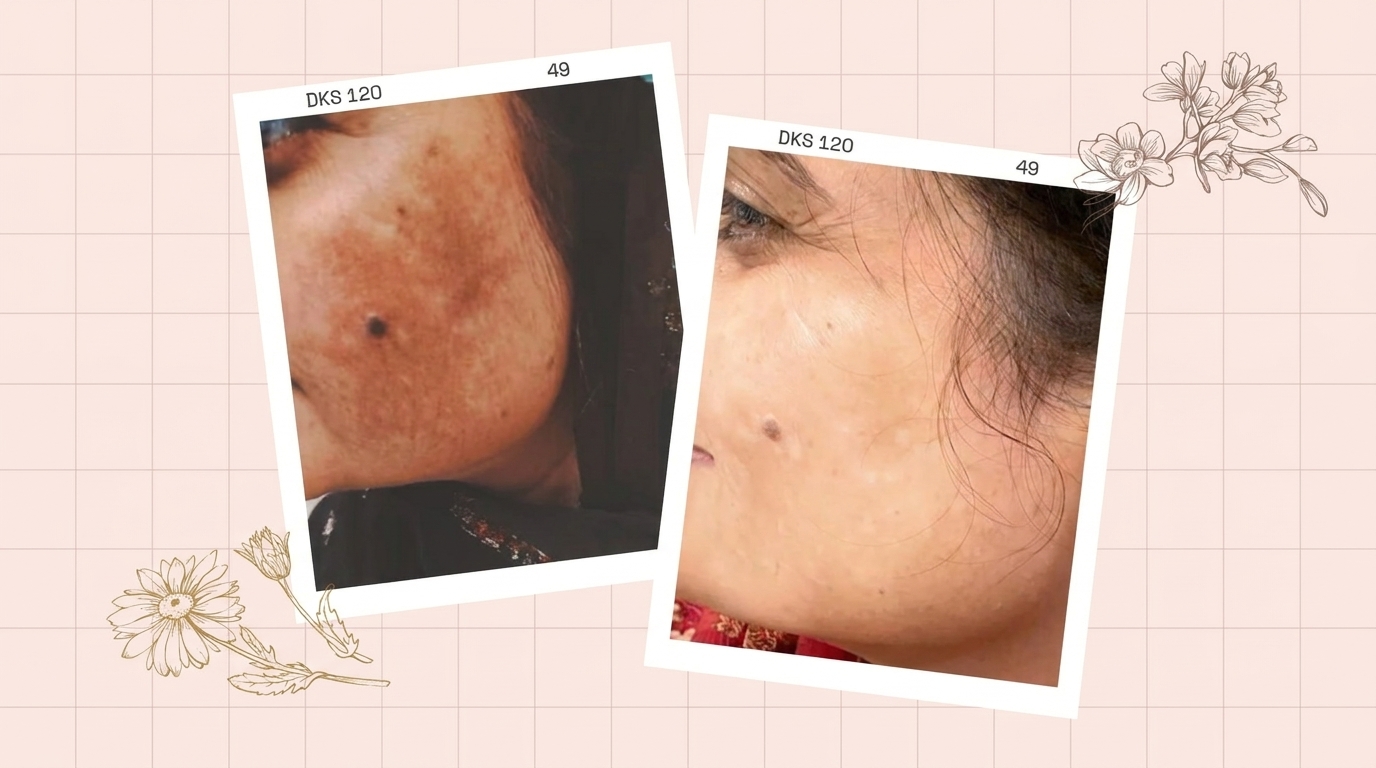
Hyperpigmentation is a common skin condition where certain areas become darker than the surrounding skin due to an overproduction of melanin. This excess pigment forms deposits in the skin, creating spots or patches that can affect people of all skin types. In regions with high sun exposure like Pakistan, managing this condition requires a combination of targeted clinical interventions and rigorous daily sun protection.
Key Takeaways:
- Hyperpigmentation occurs when the skin produces excess melanin, resulting in dark spots or patches.
- Sun exposure, hormonal changes, and post-inflammatory responses are the primary triggers for skin discoloration.
- Modern clinical solutions like Pico lasers and chemical peels offer effective, non-invasive management options.
1. The Primary Triggers of Excess Melanin
Prolonged ultraviolet (UV) radiation, hormonal fluctuations, and skin inflammation are the three main factors that stimulate melanocytes to produce excess pigment. When unprotected skin absorbs UV rays from the sun, the body naturally produces more melanin as a defense mechanism, which frequently leads to uneven pigmentation over time. Hormonal changes, particularly fluctuations in estrogen and progesterone during pregnancy or from oral contraceptives, can trigger a specific type of pigmentation known as melasma. According to the American Academy of Dermatology, this condition predominantly affects women and is exacerbated by heat and visible light. Additionally, physical trauma to the skin, such as acne breakouts, eczema, or aggressive scrubbing, causes inflammation. As the skin heals from this trauma, the cells often leave behind dark marks, a process clinically referred to as post-inflammatory hyperpigmentation (PIH).
2. Identifying Different Types of Skin Discoloration
Dermatologists categorize skin discoloration into three distinct types: melasma, sunspots, and post-inflammatory hyperpigmentation, based on their underlying triggers. Identifying the specific type is a mandatory first step before selecting any clinical intervention.
- Melasma: Characterized by large, symmetrical brown or gray patches typically forming on the cheeks, forehead, and upper lip. Hormones heavily influence this type.
- Sunspots (Solar Lentigines): These are distinct, flat dark spots that appear on areas frequently exposed to the sun, including the face, hands, and shoulders. They are directly linked to lifetime UV exposure.
- Post-Inflammatory Hyperpigmentation (PIH): This type presents as flat spots of discoloration remaining after an inflammatory skin wound, such as cystic acne or a thermal burn, has healed.
3. Modern Clinical Treatments Available in Sargodha
Advanced aesthetic clinics now utilize specific wavelengths of laser light, chemical exfoliants, and microneedling technologies to break down excess melanin and accelerate cellular turnover safely. For residents seeking pigmentation treatments in Sargodha, several modern modalities offer measurable results.
Advanced Laser Therapies
Light-based therapies offer precision in targeting deep pigment without damaging the surrounding tissue. Specifically, Pico laser technology is commonly used for complex pigmentation issues. This system delivers ultra-short pulses of energy to the skin, creating a photomechanical effect that shatters the melanin particles into microscopic fragments. The body’s immune system then naturally eliminates these fragments over subsequent weeks. This method is highly favored because it minimizes heat generation, reducing the risk of triggering rebound pigmentation in darker skin tones.
Chemical Resurfacing
Clinical-grade chemical peels utilize specific acids, such as trichloroacetic acid (TCA), glycolic acid, or salicylic acid, to safely remove the damaged outer layers of the epidermis. By shedding these pigmented layers, the skin is prompted to generate new, evenly pigmented cells. The depth of the peel determines the recovery time and the extent of the results, with medium-depth peels offering significant improvements for persistent sunspots and melasma.
Collagen Induction and Serum Delivery
Microneedling combined with skin-brightening serums is another effective approach. The micro-injuries created by fine needles stimulate natural collagen production, while simultaneously creating channels that allow topical lightening agents like Vitamin C, tranexamic acid, or kojic acid to penetrate deeper into the dermis. This combined approach can support overall skin tone improvement and texture refinement.
4. Daily Regimens for Maintenance and Prevention
Applying a broad-spectrum sunscreen with an SPF of 30 or higher every two hours is the most critical daily habit to prevent new dark spots and protect clinical treatment results. UV exposure actively darkens existing pigmentation and triggers new melanin production, instantly undoing the progress achieved through clinical therapies. Patients must integrate a high-quality broad-spectrum sunblock into their morning routines, ensuring application 15 minutes prior to sun exposure. Furthermore, incorporating topical antioxidants, such as Vitamin C serums, provides an additional layer of defense by neutralizing free radicals generated by environmental pollutants and UV rays, as supported by numerous clinical studies on skin discoloration.
5. Comparing Intervention Options
The choice of therapy depends entirely on the type of pigmentation, skin tone, and patient lifestyle constraints regarding recovery time.
| Treatment Type | Best Suited For | Average Sessions Required | Estimated Downtime |
|---|---|---|---|
| Pico Laser | Stubborn melasma, freckles, deep PIH | 3 to 6 sessions | 1 to 3 days (mild redness) |
| Medium Chemical Peels | Sun damage, superficial PIH, uneven tone | 4 to 6 sessions | 5 to 7 days (visible peeling) |
| Microneedling with Serums | Overall brightening, mild PIH, texture issues | 3 to 5 sessions | 2 to 4 days (mild swelling) |
Conclusion
Managing uneven skin tone requires an accurate diagnosis of the underlying cause, followed by a customized approach that blends clinical procedures with strict daily sun protection. By understanding whether the discoloration stems from sun damage, hormonal shifts, or acne inflammation, individuals can select the most appropriate modern solutions to restore an even complexion safely. Consulting with a professional clinic ensures that the chosen treatments are appropriate for specific skin types, particularly in regions with intense UV exposure.
Frequently Asked Questions
1. Can hyperpigmentation be cured permanently?
No, hyperpigmentation cannot always be permanently cured, especially if it is hormonally driven like melasma. It can be effectively managed and cleared with treatments, but continuous sun protection is required to prevent it from returning.
2. Is laser treatment safe for darker skin tones in Pakistan?
Yes, specific modern lasers, particularly Pico lasers and Nd:YAG lasers, are generally safe for darker skin tones because they use acoustic waves rather than intense heat, which minimizes the risk of causing post-inflammatory hyperpigmentation.
3. Do chemical peels hurt during the procedure?
No, most superficial to medium chemical peels do not cause severe pain. Patients typically experience a temporary tingling or warm sensation during the application of the acid, which subsides quickly.
4. Can over-the-counter creams clear deep dark spots?
No, standard over-the-counter creams usually only target superficial epidermal pigmentation. Deep dermal pigmentation generally requires professional interventions like lasers or medical-grade peels to see significant clearance.
5. Should I apply sunscreen if I stay indoors all day?
Yes, UVA rays can penetrate through standard glass windows, and visible light from digital screens can exacerbate certain pigmentary conditions like melasma. Daily sunscreen application is necessary regardless of indoor status.