
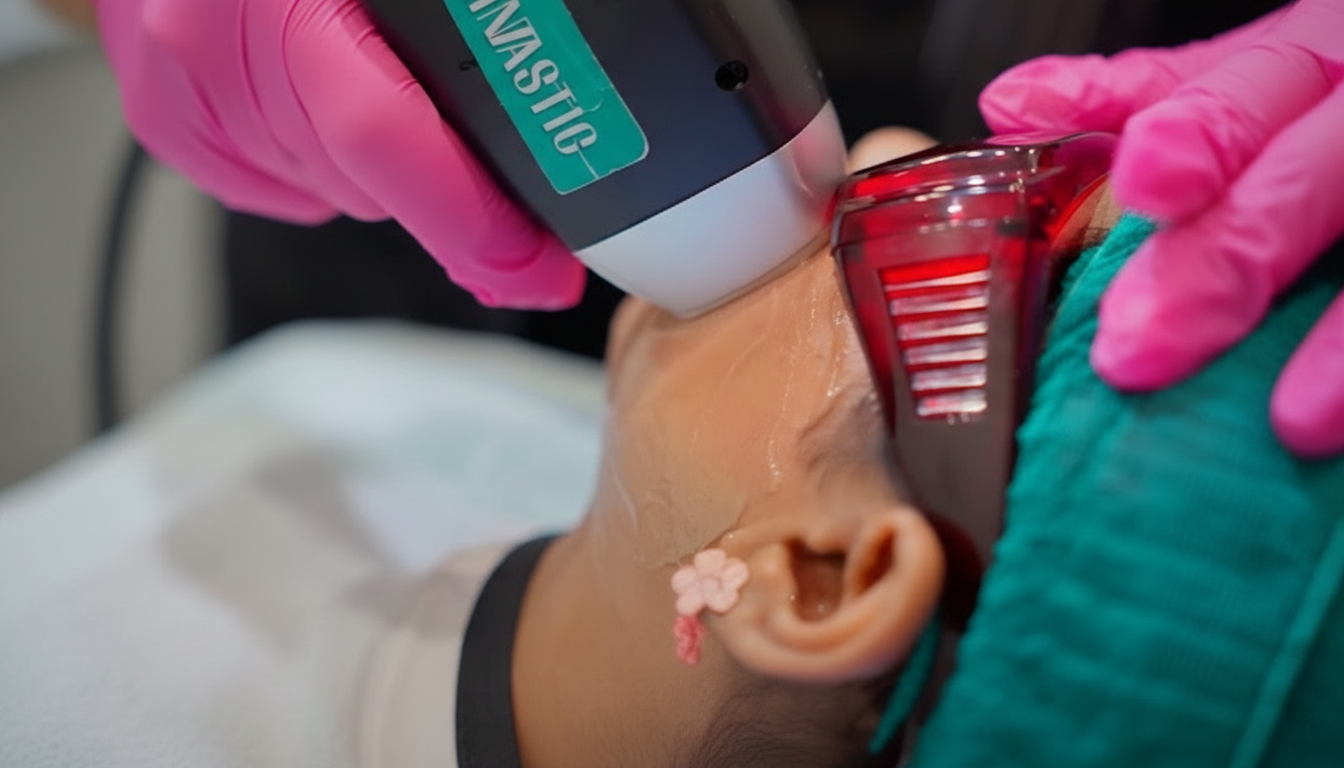
Laser hair removal provides significant, long-term hair reduction by targeting melanin in the hair follicle, though it requires multiple sessions for optimal results. While often marketed as a “magic wand” for smooth skin, patients in Pakistan frequently encounter conflicting information regarding its safety, efficacy, and suitability for different skin types. Understanding the medical realities behind the technology helps prospective clients manage expectations and achieve the best aesthetic outcomes. This guide addresses the most common misconceptions circulating in clinics from Sargodha to Lahore.
Myths and Reality of Laser Hair Removal: A Complete Guide
Key Takeaways:
- Laser therapy offers long-term hair reduction, not instant permanent removal of every single follicle.
- Modern laser technology is safe and effective for darker skin tones common in Pakistan.
- The procedure uses non-ionizing radiation, meaning it carries no cancer or infertility risks.
- Effective treatment requires multiple sessions to target hair during the active growth phase.
1. Myth: Laser Hair Removal is 100% Permanent After One Session
Reality: Laser treatment causes permanent hair reduction rather than total permanent removal of all hair immediately.
The US Food and Drug Administration (FDA) defines “permanent” in this context as the long-term, stable reduction in the number of hairs regrowing after a treatment regime. No laser can destroy every single hair follicle in one go because hair grows in cycles. At any given time, only about 20% of your body hair is in the Anagen (active growth) phase, which is the only phase where laser heat is effective. The remaining hair is in the Catagen (transition) or Telogen (resting) phases and will not be affected by the laser until it re-enters the growth phase. Consequently, a complete course of treatment typically involves 6 to 8 sessions spaced several weeks apart to catch all follicles in their active state.
2. Myth: The Treatment is Unsafe for Darker Skin Tones
Reality: Advanced laser technologies, such as the Nd:YAG laser, are specifically designed to be safe and effective for darker skin tones.
Historically, early cosmetic lasers struggled to distinguish between the pigment in the hair and the pigment in the skin, posing a risk of burns for patients with higher melanin levels. However, medical aesthetics has evolved significantly. For patients visiting a professional clinic for laser hair removal in Sargodha, practitioners now use specific wavelengths that bypass the skin’s surface to target the follicle directly. The Nd:YAG laser (1064 nm wavelength) is the gold standard for Fitzpatrick skin types IV through VI, which includes the majority of the Pakistani population. It effectively destroys the hair root without damaging the surrounding pigmented skin.
3. Myth: Laser Hair Removal Exposes You to Harmful Radiation
Reality: Laser hair removal systems utilize non-ionizing radiation, which does not damage DNA or cause cancer.
The word “radiation” often triggers fear, but it simply refers to energy traveling through space. In medical terms, there is a massive difference between ionizing radiation (like X-rays or nuclear radiation) and non-ionizing radiation (like light, radio waves, and lasers). Cosmetic lasers use concentrated light energy that only penetrates a few millimeters into the skin. This energy is absorbed strictly by the hair pigment and is converted into heat to disable the follicle. It does not pass through the body or affect internal organs. Reputable health organizations confirm that this light energy poses no risk of malignancy.
Safety Standards in Aesthetic Clinics
To ensure safety, clinics must adhere to strict protocols. This includes the use of protective eyewear for both the patient and the practitioner to shield eyes from the intense light. Furthermore, devices approved by health authorities have built-in cooling mechanisms to protect the epidermis (outer layer of skin) during the pulse.
4. Myth: The Procedure is Extremely Painful
Reality: Most patients describe the sensation as manageable discomfort, similar to the snap of a rubber band against the skin.
Pain perception is subjective, but modern technology has minimized discomfort significantly. Many laser devices feature integrated cooling tips or cryogen sprays that numb the area milliseconds before the laser pulses. This “cooling” effect counteracts the heat generated by the laser. Compared to the acute pain of waxing—which involves ripping hair out by the root along with the top layer of skin—laser treatment is often less traumatic. For sensitive areas, such as the bikini line or upper lip, a topical anesthetic cream can be applied 30 minutes prior to the session to further reduce sensation.
5. Myth: Laser Hair Removal Causes Infertility
Reality: The laser beam does not penetrate deep enough to reach reproductive organs or affect fertility.
This is a common concern among women considering treatment for the bikini or Brazilian area. As mentioned previously, the laser light penetrates less than 4 millimeters into the skin. It is physically impossible for this light to traverse the abdominal wall, muscle, and tissue to reach the ovaries or uterus. You can read more about laser safety standards from the American Academy of Dermatology to understand the depth of penetration. The procedure is strictly cutaneous (skin-deep).
6. Myth: It Makes Hair Grow Back Thicker and Darker
Reality: Laser treatment typically results in regrowth that is finer, lighter, and sparser than before.
The concept that shaving or lasering makes hair grow back thicker is a visual illusion. When hair is cut or treated, the blunt tip may feel coarser as it emerges, but the actual diameter of the hair shaft does not increase. In the case of laser therapy, the heat damages the follicle, making it weaker. If any hair does regenerate after a full treatment course, it is usually “vellus” hair—thin, baby-fine, and difficult to see. Occasional maintenance sessions, perhaps once a year, are sufficient to keep the area smooth.
7. Myth: Laser Treatment is Too Expensive
Reality: Over a lifetime, laser hair removal is often more cost-effective than continuous waxing, shaving, or threading.
While the upfront cost of a laser package is higher than a bottle of shaving cream or a waxing appointment, it is an investment in long-term results. Consider the monthly cost of salon visits for full body hair maintenance over 10 or 20 years. The cumulative expense of waxing, coupled with the time spent and the pain endured, far exceeds the cost of a 6-session laser package. Once the initial course is complete, the financial burden of hair removal drops to near zero.
Comparing Hair Removal Methods
To help you visualize the differences, here is a comparison of common methods used in Pakistan.
| Feature | Laser Hair Removal | Waxing | Shaving |
|---|---|---|---|
| Long-term Results | Permanent reduction (years) | Temporary (2-4 weeks) | Temporary (1-3 days) |
| Pain Level | Mild to Moderate (Snapping sensation) | High (Tearing sensation) | None (unless cut) |
| Ingrown Hairs | Significantly reduces/eliminates | Common cause of ingrowns | High risk of razor bumps |
| Skin Damage Risk | Low (with professional use) | Moderate (skin lifting/burns) | Moderate (cuts/abrasion) |
| Suitability | Most body areas | Most body areas | All body areas |
8. Myth: You Can Do Laser Hair Removal in Summer Without Precaution
Reality: Sun exposure before or after laser treatment increases the risk of pigmentation changes and burns.
In a sunny climate like Sargodha, this is a critical safety rule. Lasers target pigment. If your skin is tanned from the sun, the laser may confuse the skin pigment with the hair pigment, leading to hypopigmentation (white spots) or hyperpigmentation (dark spots). Dermatologists strongly advise avoiding direct sun exposure and tanning beds for at least two weeks before and after a session. Applying a broad-spectrum sunscreen with SPF 50 is mandatory during the treatment course to protect the skin barrier.
9. Myth: Lasers Work on Grey, Red, or White Hair
Reality: Standard laser hair removal is ineffective on hair that lacks melanin (pigment).
The laser needs a “chromophore” (target), which in this case is melanin, to guide the heat down the hair shaft. Grey, white, and very light blonde or red hairs contain little to no melanin. Therefore, the laser energy cannot locate the follicle to destroy it. Patients with these hair colors may need to explore alternative methods like electrolysis for permanent removal. However, technology is advancing, and you should consult a specialist to see if newer hybrid systems might work for you.
Expectations for Bikini and Sensitive Areas
Treating sensitive zones requires specific expertise and often yields excellent hygiene benefits.
Many clients are hesitant about treating intimate areas due to embarrassment or fear of pain. However, bikini laser treatments are among the most popular procedures because they eliminate the irritation, stubble, and ingrown hairs associated with shaving or waxing in that delicate region. It is a strictly clinical procedure performed with high standards of privacy and hygiene. The reduction in folliculitis (inflammation of hair follicles) is a major medical benefit of treating this area.
Conclusion
Separating fact from fiction is the first step toward achieving smooth, healthy skin. Laser hair removal is a safe, scientifically backed procedure that offers a long-term solution to unwanted hair growth. By understanding that it requires a series of treatments and strict adherence to sun safety, you can enjoy excellent results. Whether you are in Sargodha or elsewhere in Pakistan, always prioritize clinics that use FDA-approved medical-grade lasers and employ certified practitioners.
Frequently Asked Questions
Is laser hair removal safe for the face?
Yes, laser hair removal is safe for facial areas when performed by a professional. The face is a common treatment area, specifically the upper lip, chin, and sideburns. Because facial skin is delicate, practitioners use lower energy settings and smaller applicators. Eye protection is mandatory to prevent ocular damage.
Can I shave between laser sessions?
Yes, shaving is the only recommended hair removal method between laser sessions. You should not wax, pluck, or thread hair, as these methods remove the root, which the laser needs to target in the next session. Shaving leaves the root intact while keeping the surface smooth.
How many sessions are usually required?
Most patients require between 6 to 8 sessions to achieve significant reduction. The exact number depends on your hair color, hair thickness, skin type, and the hormonal balance of your body. Sessions are typically spaced 4 to 6 weeks apart for the face and 6 to 8 weeks apart for the body.
Are there any side effects?
Yes, minor side effects like redness and swelling are common but temporary. These reactions usually subside within a few hours to a day. Rare side effects include blistering or pigment changes, which are typically caused by improper settings or sun exposure before treatment. Consult medical resources for a full list of potential risks.
Does laser hair removal work on PCOS-related hair growth?
Yes, laser hair removal helps manage hair growth caused by PCOS, but it may require more maintenance. Polycystic Ovary Syndrome (PCOS) causes hormonal fluctuations that stimulate new hair growth. While the laser effectively destroys existing hair, new follicles may activate later, necessitating ongoing touch-up sessions.