
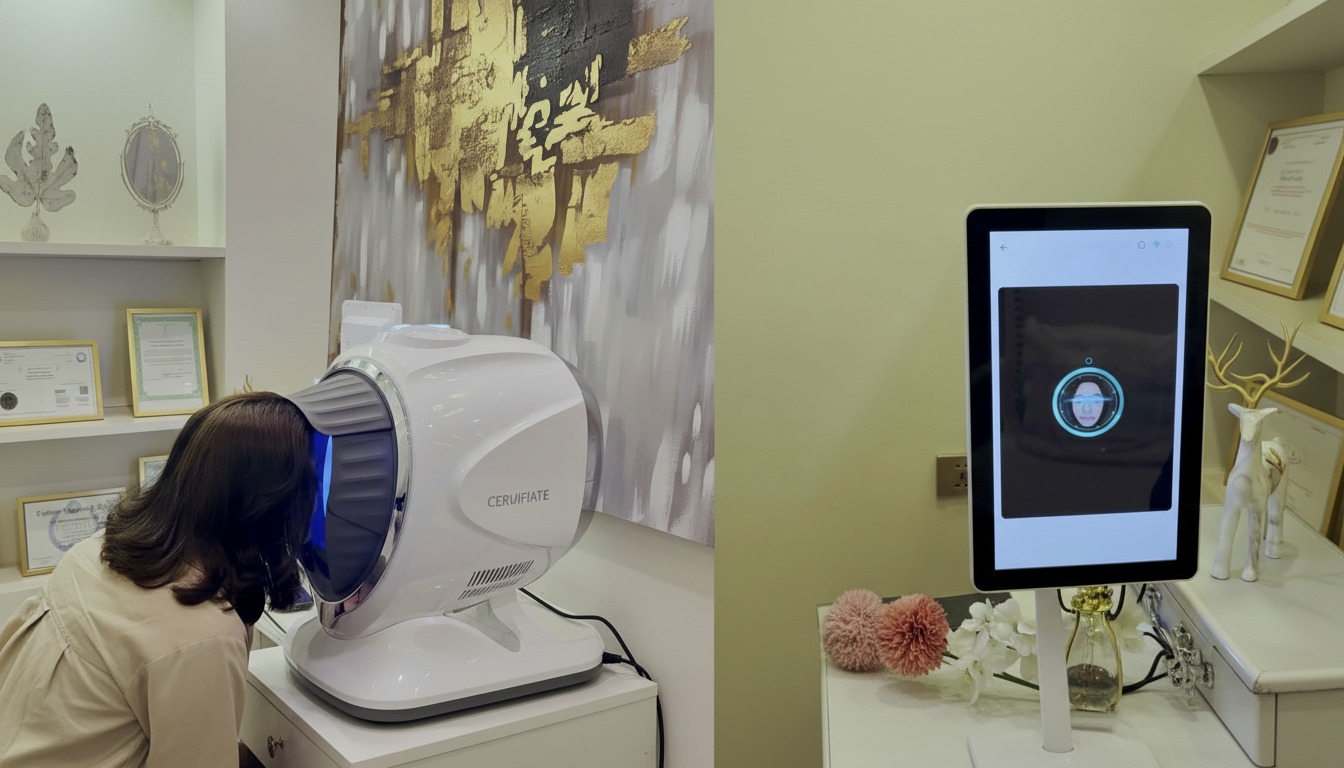
A doctor consultation is important before an aesthetic procedure to ensure patient safety, confirm medical suitability, and create a customized treatment plan that minimizes the risk of severe complications. Moving forward with cosmetic treatments without professional medical oversight increases the likelihood of adverse reactions, prolonged recovery times, and unsatisfactory clinical results. During a structured consultation, a qualified practitioner evaluates your complete medical history, assesses your baseline skin health, and determines the most appropriate clinical interventions for your specific concerns. This initial evaluation establishes a vital foundation of trust and clinical safety, ensuring that the chosen procedures align perfectly with your anatomical needs and aesthetic goals.
Key Takeaways:
- A detailed medical assessment identifies contraindications and prevents severe adverse reactions.
- Clinical skin evaluations determine the precise Fitzpatrick skin type to ensure safe laser and chemical applications.
- Customized treatment plans optimize results and prevent unnecessary financial expenditure.
- Managing clinical expectations ensures patients understand recovery times and realistic outcomes.
- Professional oversight is mandatory for handling potential complications promptly and effectively.
1. Ensuring Patient Safety and Medical Suitability
A thorough medical evaluation prevents adverse reactions by identifying underlying health conditions, allergies, and medication contraindications prior to any clinical intervention. Many patients view aesthetic treatments as standard cosmetic routines, but procedures involving lasers, injectables, or chemical peels interact directly with the body’s biological systems. A physician must review your current medications, including blood thinners, oral retinoids, or immunosuppressants, which can significantly alter healing processes. For example, individuals with autoimmune disorders or active skin infections may not be suitable candidates for specific invasive therapies. By conducting a comprehensive health screening, the practitioner can support your safety and adjust treatment protocols to mitigate inherent medical risks.
Furthermore, physiological factors such as pregnancy, lactation, or recent surgical history dictate which treatments are medically appropriate. Certain chemical compounds and energy-based therapies are strictly contraindicated during pregnancy due to the lack of safety data regarding fetal exposure. A professional consultation ensures that all variables are documented and analyzed, providing a clinically safe environment for the patient. You can read more about patient safety protocols from the American Society of Plastic Surgeons, which emphasizes the necessity of pre-procedural medical clearance.
2. Accurate Skin Assessment and Diagnosis
Clinical skin assessment allows practitioners to accurately diagnose underlying dermatological conditions and select the safest, most effective treatment modalities. Skin is a complex, multi-layered organ, and surface-level symptoms often mask deeper cellular issues. What a patient might identify as simple hyperpigmentation could be melasma, post-inflammatory erythema, or solar lentigines. Each of these conditions requires a distinctly different medical approach. Applying a high-heat laser to active melasma, for instance, can exacerbate the condition and lead to severe, treatment-resistant darkening. A qualified professional utilizes specialized diagnostic tools and clinical experience to correctly identify the pathology before prescribing a treatment protocol.
The Role of the Fitzpatrick Skin Scale
In regions like Pakistan, accurately determining the patient’s skin phototype is critical. The Fitzpatrick scale classifies skin based on its melanin content and its reaction to ultraviolet light exposure. Patients in Sargodha typically fall between Fitzpatrick types III to V, meaning their skin carries a higher risk of post-inflammatory hyperpigmentation (PIH) when subjected to trauma from heat or chemical exfoliation. A dedicated derma consultation allows the doctor to select appropriate energy wavelengths, pulse durations, and chemical peel concentrations that safely accommodate melanin-rich skin.
3. Developing a Customized Treatment Plan
Personalized treatment plans maximize clinical efficacy by targeting the specific depth, severity, and type of cellular damage unique to each patient. The aesthetic medicine industry does not operate on a one-size-fits-all premise. A procedure that yields excellent results for one individual may be entirely ineffective or overly aggressive for another. During a consultation, the physician evaluates variables such as skin laxity, hydration levels, sebum production, and underlying facial anatomy. Based on these objective measurements, they design a structured timeline that may combine multiple modalities—such as coupling microneedling with specific topical serums—to achieve optimal outcomes.
This customized approach also accounts for the patient’s lifestyle, occupational sun exposure, and daily skincare routine. A patient who works outdoors in Sargodha requires a fundamentally different post-procedure care plan and treatment selection compared to someone who works in an indoor office environment. By mapping out a highly individualized strategy, the physician ensures that the selected aesthetic procedures in Sargodha integrate seamlessly with the patient’s daily life while promoting optimal healing and long-term tissue health.
4. Managing Patient Expectations and Results
Pre-procedure consultations align patient goals with clinically achievable outcomes, ensuring full comprehension of recovery phases and required session frequency. In the era of heavily filtered social media images, patients frequently present with unrealistic expectations regarding the speed and magnitude of aesthetic corrections. A professional physician utilizes the consultation to ground these expectations in biological reality. They explain the physiological limitations of specific treatments, clarifying that collagen remodeling, fat reduction, or pigment clearance requires weeks or months to visibly manifest.
Additionally, the consultation phase is used to clearly outline the expected downtime associated with different interventions. Patients must be informed about potential swelling, bruising, erythema, or epidermal peeling so they can schedule their professional and social commitments accordingly. Transparency regarding the required number of treatment sessions and the longevity of the results prevents patient dissatisfaction and fosters a cooperative, informed therapeutic relationship.
5. Preventing Severe Complications and Side Effects
Professional oversight dramatically reduces the statistical probability of severe side effects such as thermal burns, scarring, vascular compromise, or prolonged dyspigmentation. All medical and aesthetic interventions carry inherent risks. However, the severity and frequency of these risks increase exponentially when treatments are administered without prior medical evaluation. A physician possesses the anatomical knowledge required to avoid critical blood vessels and nerve pathways during injectable treatments, minimizing the risk of vascular occlusion or nerve damage. For further reading on dermatological safety and the importance of board-certified practitioners, you can consult the American Academy of Dermatology.
In the rare event that an adverse reaction does occur, a medically trained professional is equipped with the necessary emergency protocols, reversal agents, and prescription medications to manage the complication immediately. Unsupervised treatments often leave patients vulnerable to permanent tissue damage because the provider lacks the diagnostic capability to recognize early warning signs of complications.
Comparing Supervised vs. Unsupervised Treatment Outcomes
| Clinical Factor | With Doctor Consultation | Without Doctor Consultation |
|---|---|---|
| Risk Assessment | Comprehensive screening for contraindications. | High risk of ignoring active medical issues. |
| Treatment Selection | Evidence-based choice matching exact skin pathology. | Generic selection leading to poor efficacy. |
| Complication Management | Immediate medical intervention and reversal protocols. | Delayed response resulting in potential permanent damage. |
| Financial Efficiency | Targeted spending on treatments that yield results. | Wasted expenditure on incorrect or ineffective methods. |
6. Financial Efficiency and Resource Allocation
Expert guidance prevents wasted expenditure on ineffective or incompatible treatments by directing patients toward medically proven solutions from the very beginning. Many patients attempt to self-diagnose and request specific procedures based on anecdotal recommendations or marketing trends. This often leads to investing significant financial resources into therapies that cannot biologically resolve their specific dermatological concerns. For example, treating volume loss with skin-tightening lasers instead of dermal fillers will not produce the desired structural support, resulting in frustration and financial loss.
A structured consultation acts as a financial safeguard. The physician evaluates the budget and prioritizing treatments that offer the highest clinical yield for the patient’s primary concerns. This strategic planning ensures that the patient achieves maximum visible improvement without undergoing unnecessary, overlapping, or clinically redundant procedures.
Conclusion
Prioritizing a professional consultation before undergoing any aesthetic enhancement is a critical step in responsible medical care. It provides the essential framework for patient safety, accurate dermatological diagnosis, and the execution of a highly customized clinical plan. By investing time in a thorough pre-procedure evaluation, patients safeguard themselves against preventable complications, ensure their financial resources are utilized effectively, and establish realistic expectations for their aesthetic journey. Ultimately, the expertise provided during this initial assessment is what separates optimal, natural-looking results from clinical disappointment. Always ensure you are evaluated by a qualified professional to secure the health and vitality of your skin.
Frequently Asked Questions
Yes, a doctor consultation is necessary even for non-invasive aesthetic treatments to evaluate your skin type, medical history, and specific risk factors. Non-invasive does not mean risk-free; devices like lasers and chemical peels interact with cellular structures and require precise calibration based on a professional assessment.
No, you should not skip the consultation because your medical health, skin condition, and medication list can change over time. Even if you have received a specific treatment previously, new biological variables, recent sun exposure, or new medications can alter your suitability and increase the risk of adverse reactions.
Yes, a thorough pre-procedure assessment helps minimize the risk of side effects by identifying contraindications and tailoring the treatment parameters to your skin. By accurately diagnosing your Fitzpatrick skin type and ruling out autoimmune issues, the physician dramatically reduces the statistical probability of hyperpigmentation, burns, or scarring.
Yes, in many cases, the doctor can perform the treatment on the same day if your medical assessment shows no contraindications and no specific skin preparation is required. However, certain advanced procedures may require weeks of topical priming or the cessation of specific medications before the physical treatment can safely commence.
No, many reputable clinics apply the consultation fee toward the cost of your treatment, making it a cost-effective step to ensure safety and results. Viewing the consultation as a protective medical measure ensures that your overall financial investment yields the highest possible clinical efficacy without complications.