
Many people struggle with damaged skin but don’t realise there’s a natural solution that works at the cellular level. PDRN, or polydeoxyribonucleotide, is a regenerative ingredient derived from salmon DNA that’s revolutionising how we approach skin repair. You’ll discover how this powerful compound stimulates your skin’s natural healing processes to restore damaged tissue effectively.
Key Takeaways:
- PDRN works by delivering salmon-derived DNA fragments that activate your skin’s natural repair mechanisms, stimulating fibroblast activity and boosting collagen production by up to 40% in clinical studies. This isn’t some synthetic chemical – it’s biocompatible material that your skin recognises and responds to like its own repair signals.
- The anti-inflammatory properties of PDRN make it particularly effective for damaged skin because it reduces redness and irritation whilst simultaneously promoting tissue regeneration. You’re basically getting two benefits in one: calming down existing inflammation and kickstarting the healing process at a cellular level.
- PDRN enhances skin barrier function and increases hydration levels naturally by supporting the production of hyaluronic acid and other imperative components. Your skin doesn’t just look better on the surface – it actually becomes healthier and more resilient from the inside out, which means longer-lasting results compared to topical treatments alone.
So, what’s this PDRN stuff actually made of anyway?
Polydeoxyribonucleotide – that’s the full name, but let’s stick with PDRN because who wants to say that mouthful every time? Your skin treatments contain these DNA fragments extracted from salmon sperm cells, which sounds absolutely bonkers until you learn the science behind it. These aren’t whole DNA strands we’re talking about – they’re broken down into smaller chains that your body can actually use for repair.
The salmon DNA thing isn’t as weird as it sounds
Salmon DNA shares about 95% compatibility with human DNA, making it surprisingly similar to what your own cells recognise. The extraction process purifies these fragments into a form that’s completely safe and sterile for cosmetic use. You’re importantly giving your skin building blocks that mirror its own genetic material.
Why your skin recognises it right away
Your cells contain receptors specifically designed to identify and bind with DNA fragments like PDRN. The molecular structure matches what your body expects to find during natural healing processes. This recognition triggers an immediate regenerative response without any confusion or rejection.
Think of it like giving your skin the exact spare parts it needs – no adaptors required. When PDRN enters your dermis, your fibroblasts (the cells responsible for making collagen) literally grab onto these fragments and start working. The purine bases in PDRN – adenine and guanine – are identical to what your cells already produce during tissue repair, so there’s zero learning curve. Your body doesn’t waste time figuring out what to do with this ingredient… it just gets straight to work patching things up and boosting collagen production.
Why I think going natural with PDRN is a total game-changer
Your skin already knows how to heal itself – it just needs the right nudge. PDRN works with your body’s natural processes rather than forcing change through synthetic ingredients. That’s what makes it different from most skincare actives you’ve tried before.
It’s like a kickstart for your own collagen
PDRN doesn’t just sit on top of your skin doing nothing. It actually signals your fibroblasts to ramp up collagen production from within, which means you’re getting real structural repair rather than temporary plumping effects.
Fixing your skin barrier without the harsh chemicals
Chemical exfoliants and retinoids can strip your skin whilst trying to improve it. PDRN takes the opposite approach by strengthening your barrier function naturally, so you’re not dealing with irritation, redness, or that tight feeling.
Your skin barrier is basically your first line of defence against everything – pollution, bacteria, moisture loss, the lot. When it’s compromised, you end up with sensitivity, inflammation, and that annoying cycle where nothing seems to work anymore. PDRN supports the natural repair mechanisms that rebuild this protective layer from the inside out.
Because it’s derived from biological sources, your skin recognises it as something familiar rather than a foreign substance to react against. This means you can repair damage without triggering defensive responses like inflammation or increased sensitivity. People with reactive skin often find they can tolerate PDRN when they’ve failed with other actives.
The repair happens at a cellular level too. PDRN promotes the production of ceramides and other lipids that literally hold your skin cells together… think of it like re-grouting tiles. Once that barrier is intact again, your skin can actually hold onto moisture properly and protect itself from daily aggressors.
The Real Deal on How It Compares to Your usual Skincare
You’re probably wondering where PDRN actually sits in your skincare routine compared to everything else you’ve been using. Let’s break down the differences so you can see what makes this ingredient stand out from your typical products.
| PDRN Treatments | Standard Skincare |
|---|---|
| Works at cellular level to repair DNA | Primarily surface-level hydration and protection |
| Stimulates natural collagen production | May contain synthetic collagen that sits on skin |
| Reduces inflammation from within | Temporarily soothes irritation |
| Promotes genuine tissue regeneration | Creates appearance of plumper skin |
| Results develop over weeks | Immediate but temporary effects |
Is It Actually Better Than Your Standard Serums?
Your regular serums work on the surface, whilst PDRN gets into the deeper layers where actual repair happens. Standard products can’t really regenerate damaged tissue – they just make things look better temporarily. PDRN triggers your skin’s own healing mechanisms, which means longer-lasting results.
My Take on the Safety and Side Effects
PDRN is generally well-tolerated because it’s biocompatible with human tissue. You might experience mild redness or slight swelling at injection sites, but serious reactions are rare. Most people handle it without any problems whatsoever.
Clinical studies show that PDRN has an excellent safety profile when administered properly by trained professionals. The ingredient itself comes from purified salmon DNA, which has been extensively tested and used in medical applications for years. Your body recognises it as similar to your own DNA structure, so rejection or allergic reactions are uncommon. That said, you should always disclose any fish allergies to your practitioner beforehand – though the purification process removes most allergenic proteins, it’s better to be safe. Some people notice temporary tenderness or minor bruising after treatment, but these effects typically resolve within a few days. Long-term studies haven’t revealed any concerning patterns of adverse effects, making PDRN one of the safer regenerative options available in aesthetic medicine today.
Can you actually do this at home or what?
You’re probably wondering if you can skip the clinic and sort this out yourself. How PDRN Stimulates Collagen and Skin Repair Naturally requires proper delivery into the skin, which isn’t something a serum can achieve. Professional injections penetrate deeper layers where PDRN works its magic, whilst at-home products sit on the surface.
Professional treatments vs the stuff you buy online
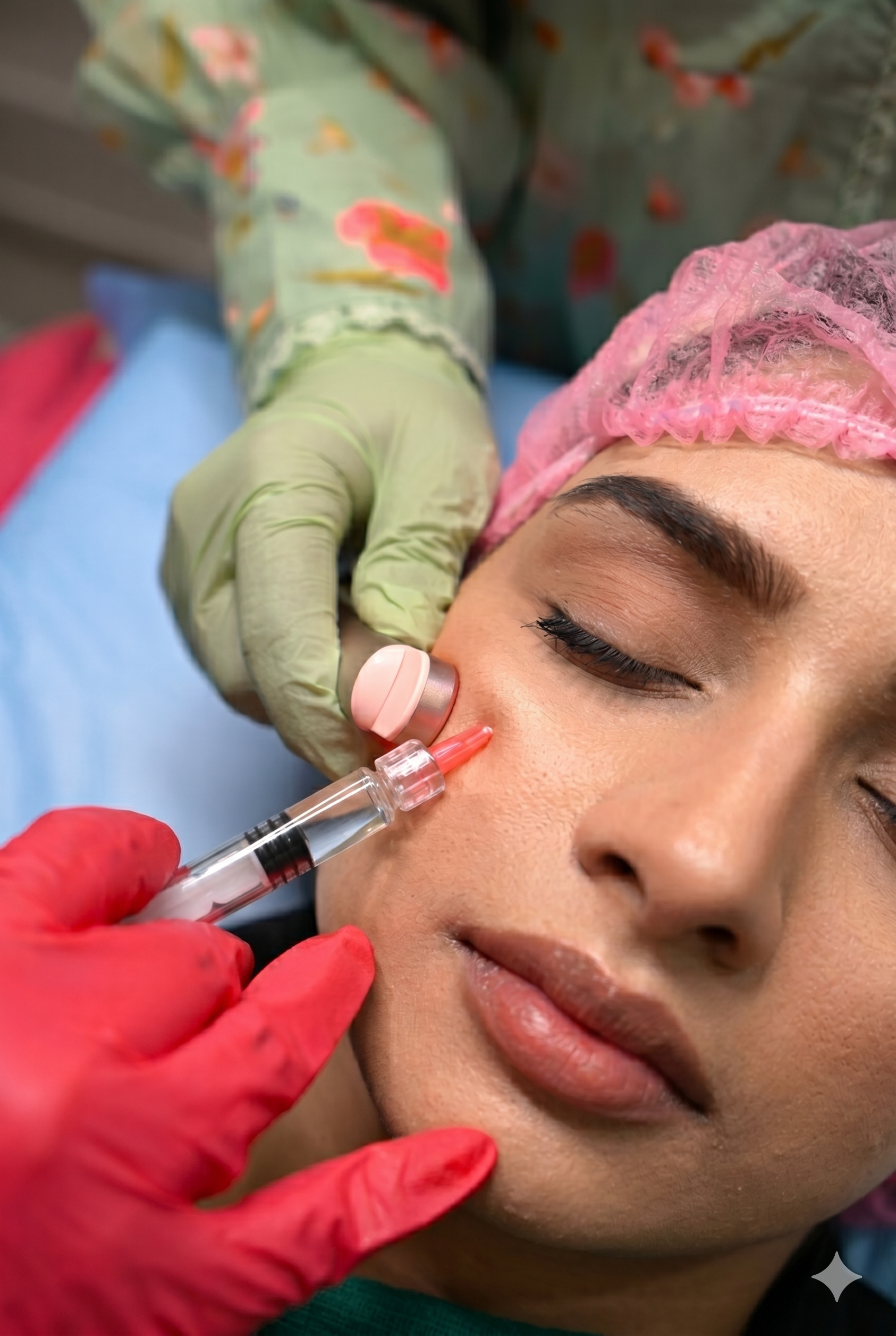
Clinical-grade PDRN treatments involve micro-injections or mesotherapy techniques that deliver concentrated doses directly into your dermis. Online serums claiming PDRN benefits can’t penetrate deeply enough to trigger the cellular repair mechanisms you’re after. The molecular structure simply won’t absorb through your epidermis without professional delivery methods.
What’s the timeline for seeing real results?
Most people notice subtle improvements within two to three weeks after their first treatment session. Skin texture feels smoother and looks more radiant before you see dramatic changes. Full collagen remodelling takes about three months, so patience pays off when you’re waiting for those deeper lines to soften.
Your skin doesn’t transform overnight because PDRN works at a cellular level, stimulating your body’s natural repair processes rather than filling or freezing anything. Think of it as training your skin to heal itself properly again. Results build gradually as your fibroblasts produce more collagen and elastin, which is why dermatologists typically recommend a series of three to four treatments spaced two to four weeks apart. After completing your initial course, you’ll see continued improvement for months as your skin continues repairing itself from within.
To wrap up
Drawing together the science behind PDRN, you’re looking at a treatment that works with your body’s natural repair systems rather than against them. The salmon-derived polynucleotides stimulate fibroblast activity, boost collagen production, and enhance cellular regeneration – all whilst reducing inflammation that typically slows healing. Your skin gets the building blocks it needs to repair damage from sun exposure, ageing, and environmental stressors without harsh chemicals or invasive procedures.
FAQ
Q: What exactly is PDRN and how does it actually work to repair damaged skin?
A: PDRN stands for Polydeoxyribonucleotide, which is basically a fancy name for DNA fragments extracted from salmon sperm (yes, you read that right). Now before you get squeamish, these DNA fragments are incredibly similar to human DNA, which is why your skin responds so well to them. When you apply PDRN to damaged skin, it gets to work on a cellular level by stimulating fibroblasts – those are the cells responsible for producing collagen and elastin. Think of it like giving your skin cells a little wake-up call. The really interesting bit is that PDRN doesn’t just mask problems like some skincare ingredients do. It actually encourages your skin to heal itself by promoting cell regeneration and improving blood flow to the affected areas. So if you’ve got scarring, sun damage, or just general wear and tear from ageing, PDRN helps your skin rebuild from the inside out. The process takes a bit of time – we’re talking weeks rather than days – but the results are genuine tissue repair rather than temporary fixes.
Q: Can PDRN help with specific skin concerns like acne scars, wrinkles, or pigmentation?
A: Yes, it can help with all of those issues, though the results vary depending on how severe the damage is. Acne scars respond particularly well to PDRN because it stimulates the production of new, healthy tissue to fill in those indented areas. You won’t see overnight miracles, but over the course of several treatments, the texture of your skin can improve quite dramatically. For wrinkles and fine lines, PDRN works by boosting your skin’s natural collagen production. As we age, our collagen levels drop (usually starting in our mid-twenties, unfortunately), which leads to sagging and wrinkles. PDRN helps reverse this by telling your fibroblasts to get back to work producing fresh collagen. It’s like turning back the clock a bit on your skin’s natural ageing process. Pigmentation is a bit trickier. PDRN can help even out skin tone by improving overall skin health and promoting cell turnover, but it’s not specifically a pigmentation treatment. If you’ve got dark spots from sun damage or post-inflammatory hyperpigmentation from old acne, PDRN can support the healing process… but you might need to combine it with other treatments for best results.
Q: Is PDRN treatment safe, and are there any side effects I should know about?
A: PDRN has an excellent safety profile because it’s biocompatible – meaning your body recognises it as something similar to your own cells and doesn’t freak out. The fact that it’s derived from salmon DNA might sound odd, but the molecular structure is so close to human DNA that allergic reactions are extremely rare. That said, if you have a known fish allergy, you should definitely discuss this with your practitioner before starting treatment. The most common side effects are pretty mild and temporary. You might experience some redness, slight swelling, or tenderness at the injection site if you’re getting PDRN injections (which is the most common delivery method). These effects usually clear up within 24 to 48 hours. Some people report a bit of bruising, but that’s standard with any injectable treatment. The beauty of PDRN is that it’s not a harsh chemical peel or aggressive laser treatment. Because it works with your body’s natural healing processes rather than forcing change through damage, the risk of serious side effects is low. You can usually get back to your normal routine immediately after treatment, though most practitioners recommend avoiding intense exercise and alcohol for a day or two to minimise swelling.