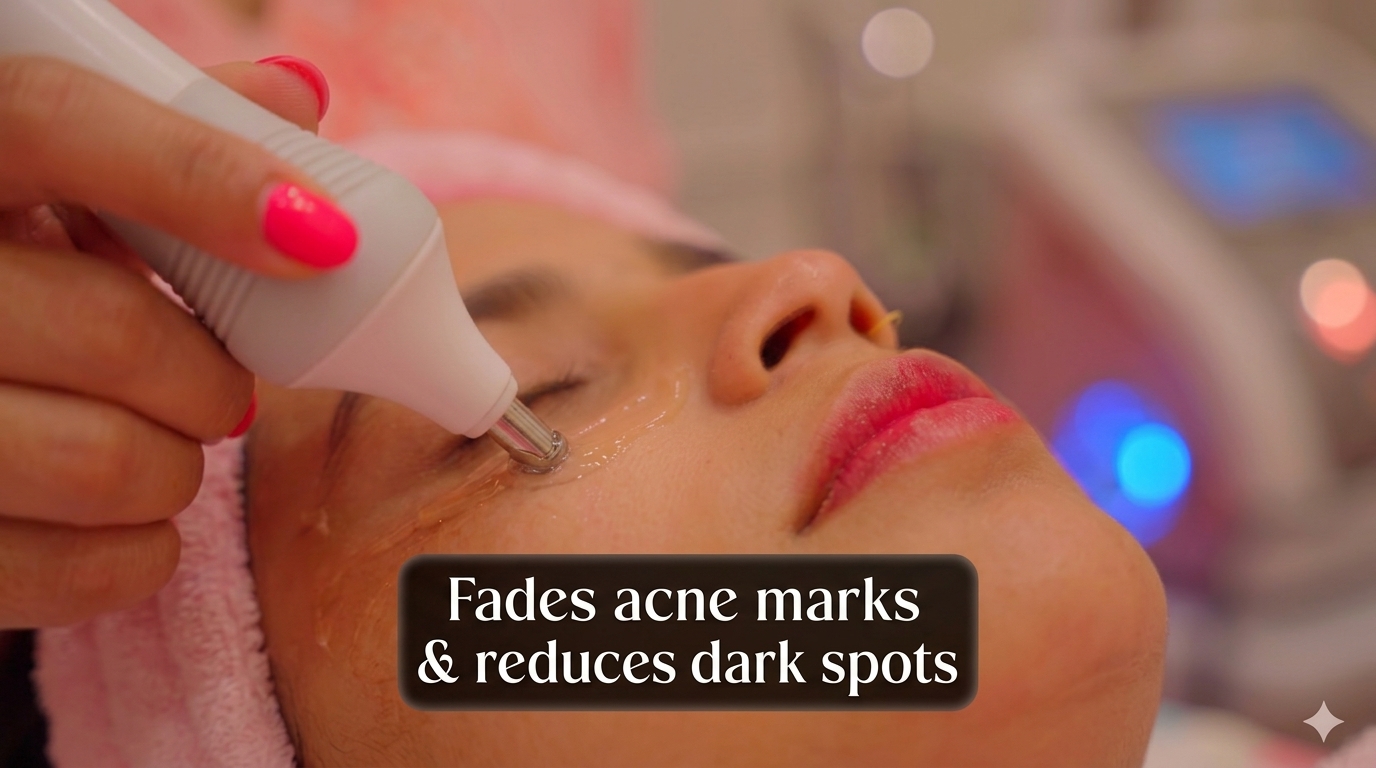
Modern aesthetic treatments shape future skin health by stimulating structural proteins, repairing cellular damage, and reinforcing the epidermal barrier against progressive degradation. Clinical interventions performed today dictate how the skin matrix will age by directly influencing the natural biological processes of cellular turnover. Proactive aesthetic care focuses on strengthening the foundational layers of the dermis before visible volume loss and severe photoaging manifest on the surface. By addressing skin concerns at a microscopic level, dermatology professionals guide patients toward sustained tissue resilience.
Key Takeaways:
- Clinical aesthetic treatments stimulate dermal fibroblasts to increase natural collagen production over time.
- Consistent daily application of medical-grade skincare protects the epidermal barrier from future environmental damage.
- Combining in-office procedures with targeted home care regimens may help delay the visible signs of chronological aging.
How Today’s Treatments Shape Tomorrow’s Skin
1. The Biological Science of Long-Term Skin Health
Preventive skincare functions by maintaining healthy fibroblast activity and preventing the enzymatic degradation of existing elastin fibers. The human skin undergoes a natural desquamation cycle approximately every 28 to 32 days, during which dead surface cells shed and new cells migrate from the basal layer to the surface. As chronological aging progresses past the age of 25, this cellular turnover rate slows down significantly, leading to a buildup of keratinized cells and a measurable decrease in collagen synthesis. Modern treatments intervene in this biological timeline by artificially accelerating cell renewal and signaling the body’s immune response to repair targeted micro-injuries. According to the American Academy of Dermatology, stimulating these natural repair mechanisms is a foundational protocol for managing visible skin aging. Maintaining a strong stratum corneum prevents transepidermal water loss, ensuring the underlying dermal tissues remain hydrated and structurally sound for years to come.
2. Core Clinical Procedures for Future Prevention
Clinical treatments establish long-term skin health by inducing controlled dermal heating or micro-injuries that trigger the body’s natural collagen-building cascade. Professional clinical settings utilize advanced technology to bypass the superficial epidermis and deliver targeted energy or chemical agents directly to the dermis. These localized procedures address specific cellular deficiencies and create a stronger structural foundation for the skin.
Collagen Induction Therapy and Tissue Remodeling
Mechanical skin remodeling procedures utilize sterile microneedles to create thousands of microscopic channels in the skin. This specific action forces the release of growth factors and stimulates the proliferation of new dermal tissues. Patients utilizing collagen induction therapy typically observe immediate textural improvements, but the primary clinical benefit emerges 12 to 16 weeks post-treatment as type III collagen converts into stronger type I collagen. This newly synthesized matrix provides structural support that may help prevent future laxity and rhytides.
Advanced Laser Resurfacing Mechanisms
Laser therapies utilize specific wavelengths of light to target chromophores in the skin, such as melanin or hemoglobin, or to vaporize targeted columns of tissue. Fractional ablative and non-ablative lasers remove damaged epithelial cells while heating the deeper dermal layers. This photothermolysis process permanently destroys hyperpigmented cells and replaces them with healthy, normochromic tissue. Because the thermal energy continues to stimulate fibroblast activity for up to six months after a single session, laser resurfacing represents a long-term investment in skin density and structural integrity.
Chemical Exfoliation and Cellular Turnover
Medical-grade chemical peels utilize specific acids, such as trichloroacetic acid (TCA), alpha-hydroxy acids (AHA), or beta-hydroxy acids (BHA), to lower the skin’s pH and dissolve the desmosomes holding dead skin cells together. Regular chemical exfoliation prevents the accumulation of cellular debris that causes comedonal acne and dullness. By systematically removing the outer layers, chemical peels force the basal layer to continuously produce fresh, healthy cells. Over a period of several years, regular superficial and medium-depth chemical peeling can support a permanently refined skin texture and a regulated melanin distribution.
3. Daily Regimens That Protect the Skin Matrix
Consistent daily application of active topical ingredients supports clinical results by protecting the lipid barrier from daily environmental and oxidative aggressors. While in-office treatments rebuild the skin from the inside out, daily topical application defends the exterior surface. A comprehensive protocol involves cleansing, treating, hydrating, and protecting the skin every 24 hours.
- Broad-Spectrum Sunscreen: Daily application of SPF 30 or higher blocks ultraviolet UVA and UVB radiation. UV exposure is responsible for up to 80% of premature skin aging, causing direct DNA mutations and the breakdown of dermal collagen.
- Topical Retinoids: Vitamin A derivatives bind to specific retinoic acid receptors in the skin to accelerate cellular turnover, regulate sebum production, and stimulate angiogenesis (the formation of new blood vessels).
- Antioxidant Serums: L-ascorbic acid (Vitamin C) neutralizes free radicals generated by pollution and UV light. Applying antioxidants daily prevents oxidative stress from degrading the cellular membrane.
- Humectants and Ceramides: Applying hyaluronic acid and ceramide-dominant moisturizers repairs the intercellular lipid matrix, preventing continuous moisture evaporation and maintaining enzymatic functions within the skin. Integrating high-quality formulations into your daily skincare regimen ensures the longevity of professional treatment results.
4. The Role of Professional Interventions in Sargodha
Patients residing in Sargodha can secure long-term skin improvements by scheduling consistent consultations at qualified local aesthetic centers. The climate in Pakistan presents specific environmental challenges for skin health, including high ambient temperatures, intense ultraviolet radiation, and variable humidity levels. These environmental factors accelerate photoaging, increase melanin production, and compromise the skin barrier function. Working with specialized practitioners ensures that treatment plans are customized to address these specific geographic variables. The National Institutes of Health highlights the importance of adapting dermatological treatments to environmental conditions and Fitzpatrick skin types. Selecting appropriate aesthetic procedures in Sargodha requires clinical expertise to manage risks such as post-inflammatory hyperpigmentation, particularly when utilizing heat-based modalities or deep chemical exfoliants on skin types III through V.
5. Strategic Treatment Timelines for Optimal Results
Structuring aesthetic treatments across a 12-month timeline ensures continuous cellular stimulation without compromising the epidermal barrier’s recovery capacity. Haphazardly combining intense procedures can lead to prolonged erythema and barrier dysfunction. A structured protocol spaces out specific modalities to maximize physiological repair mechanisms.
| Treatment Modality | Clinical Target | Recommended Frequency | Future Skin Benefit |
|---|---|---|---|
| Microneedling | Dermal collagen synthesis | Every 4 to 6 weeks | Thicker dermis, reduced scar tissue formation |
| Fractional Laser | Photoaging and severe rhytides | Every 6 to 12 months | Improved structural density, clearance of mutated cells |
| Superficial Chemical Peels | Epidermal texture and mild pigment | Every 3 to 4 weeks | Regulated melanin production, stable cell turnover |
| Neuromodulators (Botulinum Toxin) | Dynamic muscle contractions | Every 3 to 4 months | Prevention of static wrinkle formation in the epidermis |
| Hyaluronic Acid Fillers | Subcutaneous volume loss | Every 9 to 18 months | Maintenance of facial fat pad positioning and skin tension |
Conclusion
Future skin health requires a measured, scientific approach that combines professional clinical interventions with rigorous daily maintenance. The procedures administered today dictate the functional and structural integrity of the dermal layers years into the future. By prioritizing collagen preservation, regulating cellular turnover, and defending against environmental damage, patients can actively direct the aging process. Adhering to clinical guidance, protecting the skin barrier, and committing to a structured timeline of targeted therapies are the fundamental requirements for maintaining resilient, functional skin over a lifetime.
Frequently Asked Questions
Yes or No: Can starting aesthetic treatments in your twenties help prevent premature aging signs?
Yes, starting aesthetic treatments in your twenties can help prevent premature aging signs by maintaining high collagen production levels and addressing minor damage before static wrinkles form.
Yes or No: Do professional clinical treatments permanently stop the natural aging process?
No, professional clinical treatments do not permanently stop the natural aging process. They may help manage visible symptoms, stimulate structural proteins, and delay chronological aging signs, but biological aging continues.
Yes or No: Can regular chemical peels help maintain a clear and even complexion over time?
Yes, regular chemical peels may help maintain a clear and even complexion over time by continuously removing dead skin cells, managing melanin distribution, and regulating cellular turnover rates.
Yes or No: Should you undergo advanced laser treatments without a prior medical skin assessment?
No, you should not undergo advanced laser treatments without a prior medical skin assessment. A clinical evaluation is mandatory to determine your Fitzpatrick skin type, assess specific risks, and ensure safe treatment parameters.
Yes or No: Is combining clinical procedures with daily broad-spectrum sunscreen application necessary for optimal skin protection?
Yes, combining clinical procedures with daily broad-spectrum sunscreen application is commonly used for optimal skin protection, as UV radiation rapidly degrades the new collagen generated by aesthetic treatments.