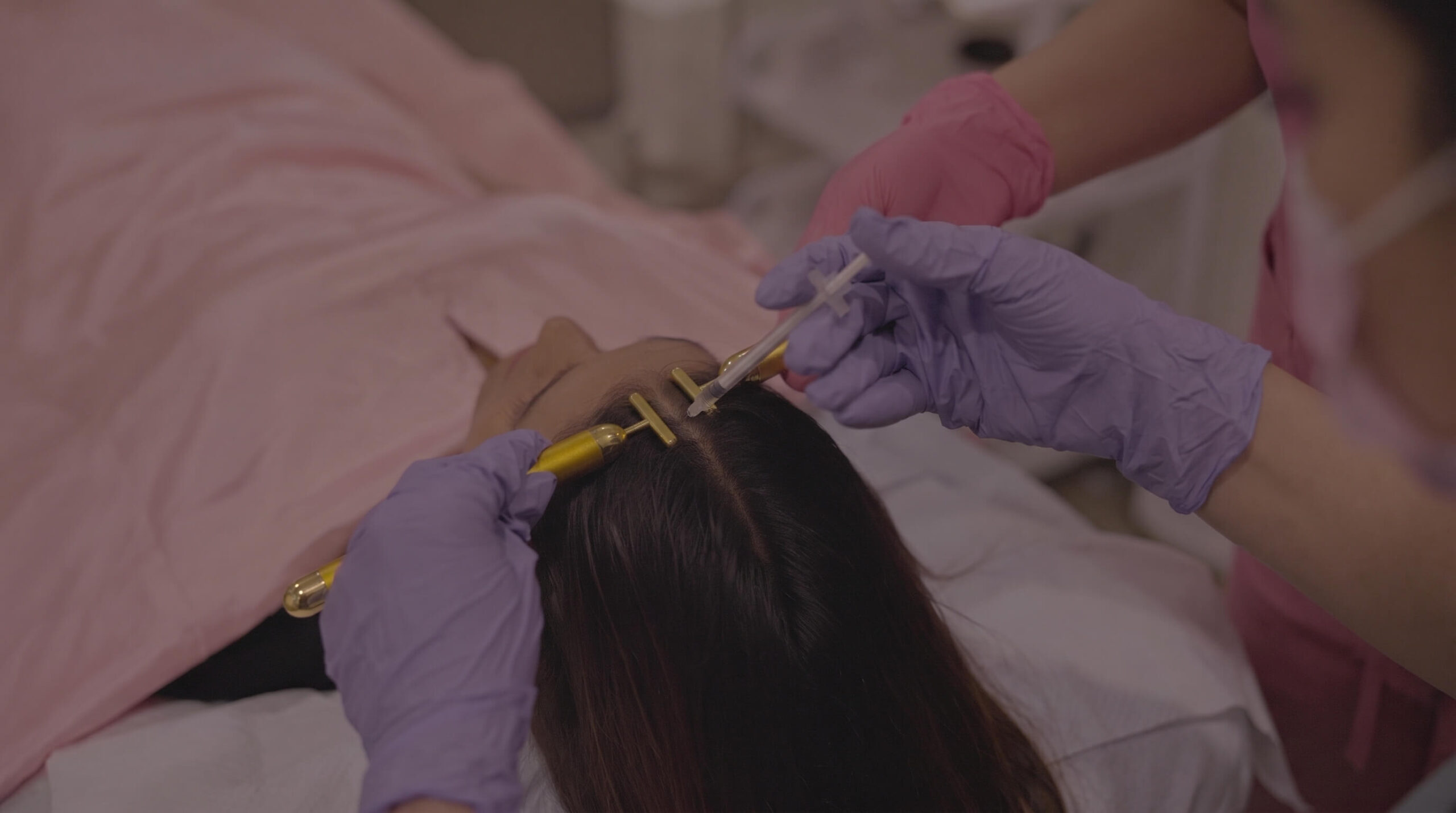
PRP (Platelet-Rich Plasma) therapy for scalp health is an autologous medical procedure that concentrates healing platelets from a patient’s own blood to stimulate miniaturized hair follicles and improve microvascular circulation. By introducing high concentrations of signaling proteins directly to targeted dermal papillae, this clinical treatment strengthens existing strands, reduces shedding, and supports localized tissue regeneration. Patients visiting Skintastic in Sargodha often pair this regenerative approach with targeted clinical assessments to correct thinning hair at an early stage.
- PRP therapy isolates autologous platelets containing concentrated growth factors to revitalize inactive hair follicles.
- Clinical protocols typically require 3 to 4 initial sessions scheduled 4 to 6 weeks apart for measurable hair density improvements.
- The treatment is non-surgical, biocompatible, and carries minimal risk of allergic response or adverse systemic reactions.
- Optimal outcomes depend on addressing foundational scalp microcirculation, inflammation, and underlying nutritional deficiencies.
PRP (Platelet-Rich Plasma) for Scalp Health
1. What Is PRP and How Does It Support Scalp Health?
Platelet-rich plasma supports scalp health by releasing concentrated platelet-derived growth factors that prolong the anagen (growth) phase of the hair cycle. Whole blood consists of red blood cells, white blood cells, plasma, and platelets. Platelets contain alpha granules rich in active biological components, including Vascular Endothelial Growth Factor (VEGF), Platelet-Derived Growth Factor (PDGF), and Transforming Growth Factor-beta (TGF-β). When introduced into the scalp dermis, these proteins signal local stem cells to repair tissue and enhance localized cellular metabolism.
According to clinical reviews published by the National Center for Biotechnology Information (NCBI), platelet concentrates induce angiogenesis—the formation of new blood vessels. In Pakistan, environmental stressors, hard water, and metabolic shifts often impair scalp health, starving roots of vital nutrients. Restoring blood flow through autologous plasma helps deliver oxygen directly to the root sheath, counteracting follicle miniaturization.
2. Clinical Indications: Who Is a Good Candidate?
Ideal candidates for scalp PRP are individuals experiencing early-stage androgenetic alopecia, telogen effluvium, or general follicle miniaturization with viable roots intact. Because PRP relies on waking underperforming cellular structures, it requires living follicles to produce observable thickening. Completely bald areas where scar tissue has replaced the dermal matrix generally do not respond to plasma therapy alone.
Conditions Treated Effectively
- Androgenetic Alopecia: Male or female pattern baldness characterized by progressive follicle thinning.
- Telogen Effluvium: Excessive shedding triggered by acute stress, illness, hormonal shifts, or nutritional shortfalls.
- Traction Alopecia: Early-stage localized tension damage caused by tight hairstyles or headwear.
- Post-Surgical Support: Accelerated tissue healing following hair restoration or micro-grafting procedures.
Patients seeking targeted interventions for thinning crowns often combine targeted plasma sessions with specialized PRP for hair loss at scalp protocols to target localized receding zones directly. A thorough dermatological consultation verifies candidate suitability through clinical pull tests, scalp dermoscopy, and baseline blood work.
3. Step-by-Step Clinical Procedure for Scalp PRP
The PRP scalp procedure involves blood extraction, centrifugal separation, and controlled intradermal micro-injections administered within 45 to 60 minutes. Every step requires strict adherence to sterile medical techniques to preserve platelet viability and ensure client safety.
Phase 1: Blood Collection and Preparation
A certified practitioner draws approximately 10 ml to 20 ml of venous blood from the patient’s arm into a sterile collection tube containing an anticoagulant. The tube is placed into a specialized centrifuge calibrated for precise revolutions per minute (RPM) and duration. This separation splits the sample into distinct layers: heavy red blood cells at the bottom, a platelet-poor plasma (PPP) layer at the top, and a platelet-rich “buffy coat” in the middle.
Phase 2: Scalp Cleansing and Anesthesia
The targeted areas of the scalp are disinfected with a medical-grade antiseptic solution like chlorhexidine or alcohol. A topical numbing cream or localized cold-air cooling device is applied to minimize discomfort during the injection process.
Phase 3: Targeted Micro-Injections
Using an ultra-fine 30-gauge or 31-gauge needle, the clinician injects small quantities of the isolated PRP (0.05 to 0.1 ml per injection point) into the deep dermis, spaced approximately 1 centimeter apart. The injections target areas demonstrating visible thinning, diffuse sparseness, or receding borders.
For individuals seeking advanced cellular regeneration, clinics may alternate plasma treatments with hair exosomes treatment in Sargodha, which supplies specialized paracrine signaling molecules to boost the regenerative response further.
4. Treatment Timelines, Results, and Maintenance
Visible improvements in scalp texture and shedding reduction typically emerge within 60 to 90 days following the second or third session. Hair growth runs on a strict biological timeline; follicles require adequate time to transition from the telogen (resting) phase back into an active anagen phase.
- Weeks 1 to 4: Immediate reduction in daily hair fall and localized scalp oil normalization.
- Months 2 to 3: Early sprouting of fine vellus hairs along treated zones.
- Months 4 to 6: Noticeable increase in shaft diameter, greater coverage, and improved hair density.
- Months 12 and Beyond: Sustained follicle vitality supported by scheduled maintenance sessions.
Most standard protocols recommend an initial loading phase of 3 to 4 sessions, performed every 4 weeks. Following this primary series, maintenance sessions every 4 to 6 months help preserve platelet stimulation against progressive genetic thinning.
5. Scalp PRP Compared to Alternative Hair Therapies
PRP offers an autologous, chemical-free biological treatment that works synergistically with medical topicals and nutritional support. Unlike daily pharmaceutical therapies that carry systemic side-effect profiles, PRP utilizes the patient’s own biological mechanisms to support hair restoration.
| Treatment Modality | Mechanism of Action | Downtime | Ideal Candidate |
|---|---|---|---|
| Scalp PRP | Autologous growth factor signaling and capillary restoration | Zero to 24 hours | Early-to-moderate thinning and active shedding |
| Topical Minoxidil | Potassium channel opener; increases microvascular diameter | None (requires daily use) | Diffuse crown thinning |
| Oral Finasteride | 5-alpha reductase inhibitor; blocks DHT conversion | None (ongoing medication) | Male androgenetic alopecia |
| Hair Transplant | Surgical follicle relocation from donor zone to balding areas | 7 to 14 days | Advanced baldness with stable donor supply |
Clinical data from the American Academy of Dermatology (AAD) highlights that combining in-office procedural care with proven home therapies yields higher patient satisfaction rates than single-agent routines.
6. Pre-Care and Post-Care Protocols for Maximum Platelet Efficacy
Adhering to strict pre- and post-procedure guidelines directly protects the concentration of bioactive components inside harvested platelets. Lifestyle choices and over-the-counter medications alter platelet integrity, making patient cooperation essential for treatment success.
Pre-Treatment Guidelines
- Discontinue non-steroidal anti-inflammatory drugs (NSAIDs) such as ibuprofen and aspirin 7 days before treatment, as these impair platelet activation.
- Drink at least 1.5 to 2 liters of water on the day of your appointment to simplify the blood draw process.
- Avoid heavy alcohol consumption and tobacco use for 48 hours prior to the session.
- Wash your scalp thoroughly with a gentle cleanser on the morning of treatment; avoid hair sprays, gels, or fibers.
Post-Treatment Guidelines
- Keep the scalp dry and refrain from washing your hair for 24 hours following injections.
- Avoid strenuous cardiovascular workouts, saunas, and steam rooms for 48 hours to prevent sweat-induced irritation.
- Avoid applying harsh chemical dyes, perms, or bleaching agents for at least 72 hours.
- Protect the treated scalp from direct sun exposure by wearing a clean, loose-fitting cotton hat when outdoors.
7. Understanding Safety, Side Effects, and Contraindications
Scalp PRP has an excellent clinical safety profile because it uses the patient’s own blood, eliminating the risk of foreign-body rejection. Mild, transient side effects can occur at the injection sites, but these typically resolve within 24 to 48 hours.
Common, self-limiting reactions include pinpoint bleeding, mild tenderness, transient tightness, and light swelling around the forehead or crown. Applying cold compresses (without pressing directly on fresh injection spots) alleviates localized soreness.
Absolute Contraindications
- Active Platelet Disorders: Thrombocytopenia or platelet dysfunction syndromes.
- Systemic Infections: Active sepsis, chronic liver disease, or localized fungal/bacterial scalp infections.
- Anticoagulant Therapy: Patients taking systemic blood thinners who cannot safely pause medication.
- Active Cancer: Patients undergoing active chemotherapy or radiation therapy.
Clients experiencing systemic fatigue alongside hair loss may benefit from diagnostic screenings or restorative systemic wellness therapies, such as immune boosting protocols, to ensure underlying biological balance supports hair retention.
8. Factors Influencing PRP Treatment Costs in Pakistan
The cost of scalp PRP in Pakistan varies based on the separation technology utilized, clinical expertise, and the total number of sessions required. Single sessions generally range from PKR 8,000 to PKR 25,000 across urban centers like Lahore, Islamabad, and Sargodha.
Cost determinants include:
- Kit Quality: Specialized gel-separator tubes with high platelet-capture yields cost more than generic laboratory vacuum tubes, but yield higher growth factor concentrations.
- Centrifugation Technology: Dual-spin centrifugation units extract higher platelet volumes compared to single-spin benchtop models.
- Practitioner Qualifications: Treatments administered by experienced dermatologists or certified aesthetic doctors ensure precise dermal placement.
- Combination Therapies: Packages that incorporate microneedling, peptide solutions, or low-level laser therapy carry adjusted pricing reflecting their combined clinical value.
Conclusion
PRP for scalp health is a clinically validated, minimally invasive solution for individuals struggling with premature thinning, shedding, and weakened hair roots. By using your body’s own biological signaling molecules, this procedure reactivates underperforming follicles, restores local microcirculation, and preserves existing coverage without surgical intervention. Scheduling a comprehensive scalp assessment at a dedicated medical aesthetic clinic ensures your thinning is addressed with an individualized, evidence-based plan.
Frequently Asked Questions
Is PRP for scalp health painful?
No, the procedure is generally well-tolerated because practitioners use fine-gauge needles and apply topical numbing agents or cooling devices to desensitize the scalp before starting.
Can PRP cure permanent baldness?
No, PRP cannot revive completely fibrosed or dead hair follicles where smooth scar tissue has already replaced the follicular pore.
Is there any downtime after a scalp PRP session?
No, scalp PRP requires virtually zero downtime, allowing most patients to resume their daily professional routines immediately after leaving the clinic.
Can PRP be combined with other hair treatments?
Yes, PRP works safely alongside topical minoxidil, oral anti-androgens, low-level laser light therapy, and micro-needling protocols under medical supervision.
Are the results of scalp PRP permanent?
No, the results are not permanent because genetic sensitivity to hormones continues over time, requiring ongoing maintenance sessions every 4 to 6 months.