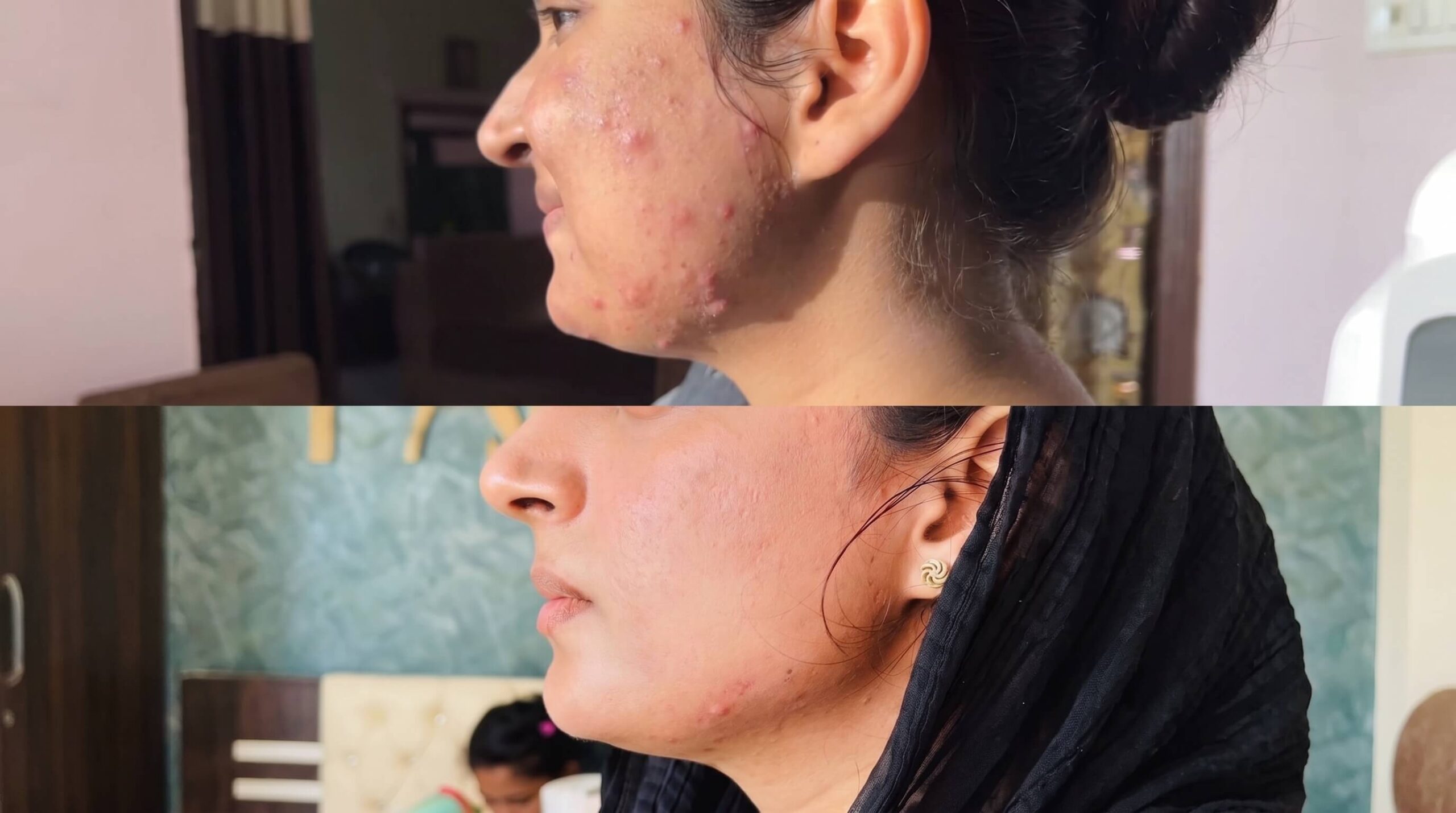
Skin barrier damage is a physiological breakdown of the stratum corneum that impairs the skin’s capacity to retain moisture and defend against external irritants. The outermost layer of human skin operates under a biological “brick-and-mortar” structure, where protein-rich corneocyte cells represent the bricks and intercellular lipids act as the mortar. These lipids consist of roughly 50% ceramides, 25% cholesterol, and 15% free fatty acids. When environmental stressors, harsh cosmetic products, or physical trauma disrupt this delicate lipid balance, the protective moisture shield fails. In Pakistan, high heat, dry winter winds, intense UV radiation, and heavy urban dust in cities like Sargodha, Lahore, and Faisalabad frequently accelerate barrier disruption, leaving skin compromised, sensitive, and chronically dehydrated.
Key Takeaways:
- Skin barrier damage occurs when the outermost stratum corneum loses essential lipids, moisture, and protective acidity.
- Primary clinical signs include increased transepidermal water loss, stinging sensations, persistent erythema, and sudden breakouts.
- Recovery typically requires 14 to 45 days of simplified skincare focused on physiological lipids and gentle hydration.
- Effective repair strategies combine topical ceramides, hyaluronic acid, and non-invasive clinic therapies like medical hydration.
- Avoid harsh exfoliants, alkaline soaps, and unregulated cosmetic creams during the rehabilitation phase.
Skin Barrier Damage: Signs, Causes & Treatment Options
What Are the Common Signs of a Damaged Skin Barrier?
The primary signs of a damaged skin barrier include persistent erythema, heightened burning sensations when applying mild products, rough flaking patches, and increased transepidermal water loss. When the stratum corneum fails to maintain its integrity, moisture rapidly evaporates while pathogens and chemical irritants penetrate deeper epidermal layers.
Individuals experiencing skin barrier impairment typically present with several recognizable clinical indicators:
- Stinging and Burning Sensations: Mild cleansers or basic moisturizers that previously caused no reaction suddenly produce an acute stinging sensation within 30 seconds of application.
- Transepidermal Water Loss (TEWL): The face feels tight, parched, and uncomfortable shortly after washing, even before toweling dry.
- Persistent Redness and Flushing: Capillaries close to the surface dilate in response to microscopic inflammation, resulting in uneven red patches across the cheeks and nasal bridge.
- Textural Roughness and Peeling: Cellular turnover becomes erratic, causing dead corneocytes to detach in uneven clusters that look like dry flakes.
- Reactive Breakouts and Texture: Opportunistic bacteria easily penetrate micro-fissures in the barrier, triggering inflammatory pustules alongside dry, crepey skin.
What Causes Skin Barrier Damage?
Skin barrier damage is caused by chemical over-exfoliation, alkaline cleansing agents, intense environmental exposure, and the misuse of harsh skincare ingredients. Identifying the exact trigger allows individuals to halt the destructive cycle before chronic inflammation settles into the dermis.
1. Excessive Use of Chemical and Physical Exfoliants
Frequent application of alpha-hydroxy acids (glycolic or lactic acid), beta-hydroxy acids (salicylic acid), or coarse walnut and apricot scrubs strips away the stratum corneum faster than the basal layer can regenerate it. Combining exfoliating toners with mechanical cleansing brushes damages the lipid matrix within days.
2. Alkaline Soaps and Stripping Cleansers
Healthy human skin maintains a slightly acidic surface pH between 4.5 and 5.5, known as the acid mantle. Traditional bar soaps and sulfate-heavy foaming washes possess alkaline pH values ranging from 8.0 to 10.0. These formulations dissolve protective lipids, deactivate natural lipid-processing enzymes, and leave the surface vulnerable to microbial colonization.
3. Harsh Local Climatic Conditions and Pollution
Airborne particulate matter, low indoor humidity from heaters in Pakistani winters, and direct ultraviolet (UV) radiation degrade skin proteins. The American Academy of Dermatology highlights that prolonged solar radiation directly breaks down structural ceramides, worsening dehydration and skin sensitivity.
4. Unregulated Whitening and Steroid Creams
The widespread use of unverified, over-the-counter beauty formulations containing hidden topical corticosteroids (such as clobetasol) or heavy metals causes severe cutaneous atrophy. These compounds thin the epidermis rapidly, deplete capillary structural integrity, and cause severe rebound barrier collapse once stopped.
How Long Does It Take to Repair a Damaged Skin Barrier?
Repairing a damaged skin barrier generally takes between 14 and 45 days, depending on patient age, baseline skin health, and the depth of epidermal disruption. The human skin cell turnover cycle takes approximately 28 days in healthy adults, meaning full renewal requires at least one complete cellular cycle.
The healing process moves through distinct physiological stages:
- Days 1 to 3 (Acute Calming): Halting all active ingredients reduces surface burning and acute inflammation within 72 hours.
- Days 4 to 14 (Lipid Replenishment): Regular topical application of physiological lipids and humectants re-establishes basic water retention and reduces tightness.
- Days 15 to 45 (Structural Maturation): Newly generated corneocytes migrate to the surface with intact desmosomal bonds, restoring normal resilience, uniform texture, and natural bacterial defense.
Which Ingredients Effectively Repair the Skin Barrier?
The most effective ingredients for barrier repair are bio-identical ceramides, cholesterol, free fatty acids, hyaluronic acid, and soothing dexpanthenol. Combining humectants with physiological lipids ensures both hydration delivery and moisture retention.
Dermatological research indexed on the National Center for Biotechnology Information demonstrates that formulations containing a balanced 3:1:1 molar ratio of ceramides, cholesterol, and fatty acids accelerate stratum corneum recovery significantly faster than single-agent moisturizers.
- Ceramides (EOP, NP, AP): These essential lipids account for half of the intercellular matrix, filling microscopic gaps between skin cells to prevent moisture evaporation.
- Hyaluronic Acid: A powerful humectant capable of binding up to 1,000 times its molecular weight in water. Applying an advanced HA serum in Sargodha to damp skin infuses multi-depth hydration without irritating sensitized nerve endings.
- Panthenol (Pro-Vitamin B5): Known for soothing tissue inflammation, panthenol enhances epidermal lipid synthesis and accelerates re-epithelialization.
- Centella Asiatica (Cica): Contains madecassoside and asiaticoside, plant-derived triterpenes that calm redness and assist collagen formation.
- Lightweight Emollients: Utilizing a non-comedogenic, soothing gel moisturizer helps lock in active moisture while avoiding follicular congestion in warm, humid weather.
Comparison: Damaged Skin Barrier vs. Healthy Skin Barrier Regimen
Managing a damaged barrier requires transitioning from an active treatment routine to a minimalist, non-stripping skincare protocol. The table below outlines key differences between product choices during recovery versus standard maintenance.
| Skincare Step | Damaged Barrier Routine (Recovery) | Healthy Barrier Routine (Maintenance) |
|---|---|---|
| Morning Cleanse | Lukewarm water splash only (no surfactant) | Gentle pH-balanced foaming or cream wash |
| Serums & Actives | Hyaluronic acid, panthenol, or centella only | Vitamin C, AHA/BHA exfoliants, or niacinamide |
| Moisturizer | Ceramide-dense barrier creams or lipid gels | Standard daytime hydrators suited to skin type |
| Sun Protection | 100% mineral sunscreen (Zinc Oxide / Titanium) | Broad-spectrum chemical, hybrid, or mineral SPF 50 |
| Evening Care | Ultra-mild cleansing milk + thick lipid balm | Double cleanse + retinoids or targeted treatment |
Professional Clinic Treatments for Skin Barrier Repair in Pakistan
Professional aesthetic clinics provide controlled, medical-grade procedures designed to rehydrate deep tissue layers without inflicting mechanical trauma. When at-home topical products fail to alleviate extreme barrier impairment, structured clinical interventions can support recovery.
At specialized aesthetic centers like Skintastic in Sargodha, treatment plans prioritize barrier rehabilitation over aggressive peeling:
- Medical Deep Hydration Infusions: Non-invasive therapies, such as the specialized ST Hydra Bless in Sargodha, bypass harsh suction to saturate the epidermis with cross-linked hyaluronic acid, amino acids, and soothing electrolytes.
- LED Phototherapy: Low-level light therapy using medical-grade red (633 nm) and near-infrared (830 nm) wavelengths stimulates cellular ATP production, reduces dermal inflammation, and accelerates cellular recovery.
- Polynucleotide (PDRN) Skin Boosters: In severe cases of chronic barrier breakdown, clinical micro-injections of DNA fragments derived from salmon polynucleotides may help enhance tissue repair and cellular turnover under physician supervision.
What Skincare Mistakes Delay Barrier Healing?
Common skincare mistakes that delay barrier recovery include continuing active retinoids, scrubbing with towels, testing multiple new products at once, and skipping sunscreen. Eliminating these errors protects vulnerable new cells as they surface.
- Layering Multiple New “Repair” Products: Introducing three or four new balms simultaneously overwhelms reactive skin, making it difficult to pinpoint potential contact allergies.
- Skipping Sunscreen Due to Sensitivity: Damaged skin has lost its natural defense against UV radiation. Forgetting broad-spectrum protection permits solar radiation to further fragment delicate dermal collagen.
- Using Hot Water for Facial Cleansing: Hot water emulsifies and strips naturally occurring surface sebum, worsening transepidermal water loss.
- Relying on Kitchen Remedies: Applying raw plant oils, lemon juice, or yogurt exposes compromised skin to unsterilized compounds and volatile fragrances that trigger acute contact dermatitis.
When Should You Consult a Dermatologist?
You should consult a certified dermatologist if surface symptoms persist beyond 21 days, or if you develop severe swelling, oozing, crusting, or extreme pain. These symptoms often indicate secondary complications requiring targeted medical management.
Severe barrier degradation can mirror or trigger underlying dermatological conditions such as:
- Atopic Dermatitis (Eczema): Marked by intense pruritus, scaling, and genetic filaggrin protein deficiencies.
- Perioral Dermatitis: Clustered inflammatory papules around the mouth, often triggered by topical steroid withdrawal or heavy occlusive ointments.
- Rosacea Flare-Ups: Chronic neurovascular reactivity requiring prescription topical ivermectin, metronidazole, or azelaic acid.
- Secondary Bacterial or Fungal Infections: Fissured skin allows opportunistic microorganisms (such as Staphylococcus aureus) to establish superficial infections that demand topical antibiotics.
Conclusion
Restoring a damaged skin barrier requires patience, strict product elimination, and consistent replenishment of bio-identical lipids. By recognizing initial signs like stinging and tight redness, stopping harsh exfoliants, and adopting gentle hydrating topicals alongside professional clinical care, you can re-establish optimal epidermal health. Healthy, radiant skin begins with an intact, resilient barrier capable of protecting your face against daily environmental stressors.
Frequently Asked Questions
Can a damaged skin barrier heal on its own?
Yes, a damaged skin barrier can heal on its own within 14 to 30 days if all irritating products are discontinued and moisture levels are protected. However, applying supportive lipids like ceramides and cholesterol significantly accelerates recovery.
Does drinking extra water repair a compromised skin barrier?
No, drinking extra water alone cannot repair a compromised skin barrier without topical lipid replenishment. Systemic hydration helps overall body function, but surface lipids must be applied directly to the stratum corneum to prevent moisture from evaporating into the air.
Can chemical peels worsen existing skin barrier damage?
Yes, chemical peels can severely worsen existing skin barrier damage by stripping away vulnerable corneocyte layers and escalating deep-tissue inflammation. Acid-based peels should never be applied to compromised, peeling, or stinging skin until full clinical recovery has occurred.
Is hyaluronic acid safe to use on a broken skin barrier?
Yes, hyaluronic acid is safe and beneficial for a broken skin barrier when applied to damp skin and sealed immediately with an emollient moisturizer. Applying it to dry skin in arid environments may pull moisture out of deeper layers if not properly occluded.
Does burning from basic moisturizers indicate a damaged barrier?
Yes, a burning or stinging sensation caused by plain, fragrance-free moisturizers is one of the most definitive signs of a damaged barrier. This reaction occurs because microscopic cracks in the stratum corneum allow product ingredients to contact sensitized nerve endings directly.