Winter Skin Care in Pakistan: Fix Dry, Flaky Skin Before It Starts
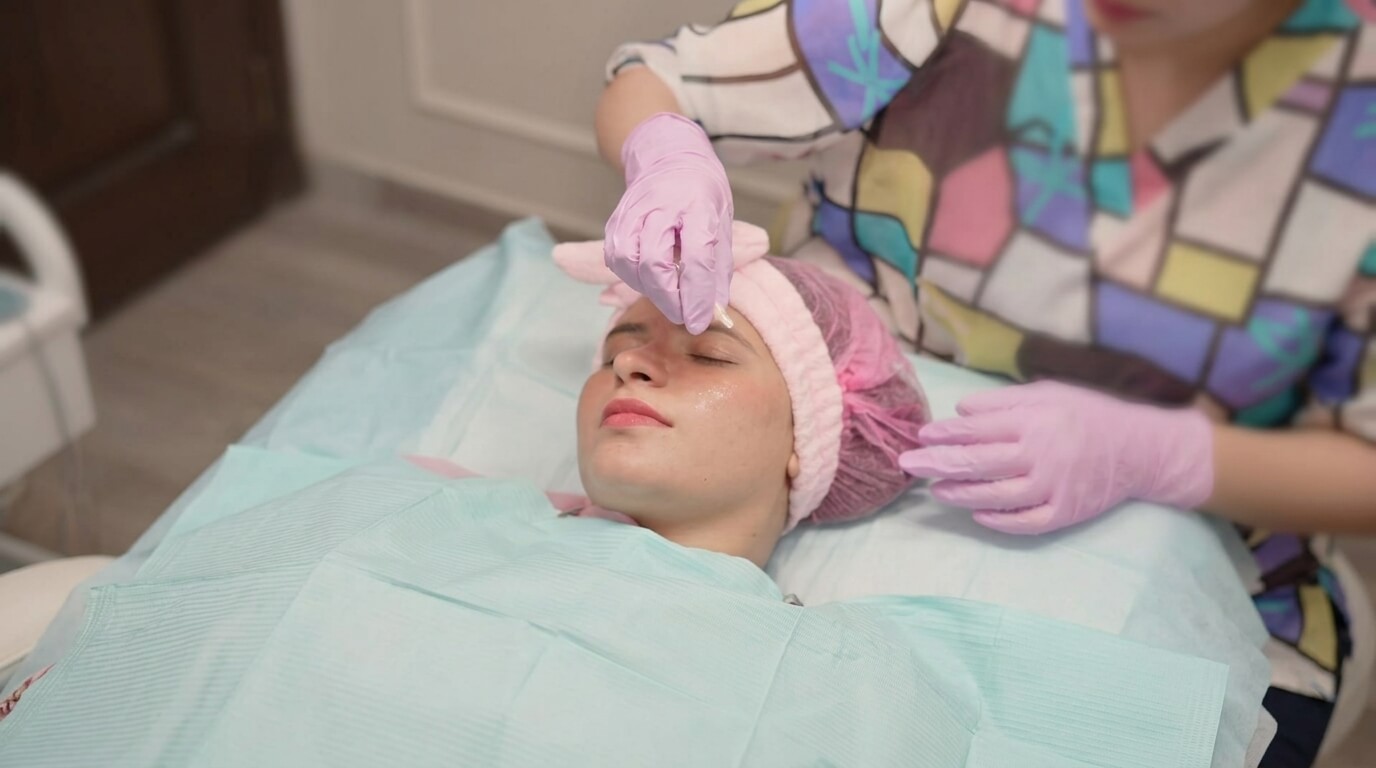
Winter skin care in Pakistan requires shifting from lightweight foaming cleansers and drying astringents to ceramide-rich barrier creams, occlusive hydration, and gentle clinical treatments. Punjab’s cold dry air, combined with indoor gas heaters and hot water showers, accelerates transepidermal water loss (TEWL). Repairing the skin barrier involves hydrating humectants (glycerin, hyaluronic acid), barrier lipids (ceramides, fatty acids), and in-clinic procedures like medical Hydrafacial or injectable Skinboosters at Skintastic Sargodha.
As autumn transitions into winter across Punjab, the pleasant drop in temperature brings a harsh dermatological consequence: dry, tight, stinging, and visibly flaky skin. In Pakistan, winter weather presents a unique environmental double-jeopardy. Outdoor humidity plummets, while seasonal agricultural smog (particulate matter PM2.5) settles over cities like Sargodha, Lahore, and Faisalabad. Indoors, direct gas heaters and steaming hot water showers strip away what little natural moisture remains. Understanding effective winter skin care in Pakistan is essential to prevent chronic eczema flare-ups, barrier breakdown, and accelerated photoaging.
At Skintastic Aesthetic Clinic in Sargodha, Dr. Ammarah Tahir frequently sees patients whose primary winter complaint is a rough texture that stings upon applying even basic creams. This is not merely cosmetic dryness; it is a clinical manifestation of an impaired stratum corneum barrier. Here is how to scientifically repair, protect, and hydrate your skin throughout the Pakistani winter season.
The Biology of Winter Skin: Why Your Face Feels Tight & Itchy
The outermost layer of human skin—the stratum corneum—functions like a brick wall. Corneocyte skin cells represent the bricks, while intercellular lipids (ceramides, cholesterol, and free fatty acids) act as the mortar. This barrier prevents moisture from escaping and shields delicate nerve endings from pathogens and airborne pollutants.
During cold weather, several biological disruptions occur simultaneously:
- Decreased Sebaceous Activity: Sub-zero or cold temperatures cause blood vessels in the dermis to vasoconstrict, reducing natural sebum (oil) excretion by up to 30%.
- Increased Transepidermal Water Loss (TEWL): When ambient indoor air is dry, water evaporates from the living dermis through the epidermis into the atmosphere at accelerated rates.
- Smog Barrier Degradation: Winter smog in Punjab contains polycyclic aromatic hydrocarbons and heavy metals that trigger oxidative stress, disrupting lipid synthesis and creating microscopic fissures in the skin.
5 Essential Steps to Build a Winter-Proof Skincare Routine in Pakistan
1. Retire Foaming Cleansers for Creamy Emulsions
If your cleanser leaves your face feeling ‘squeaky clean’ after washing, it contains harsh surfactants (like sodium lauryl sulfate) that dissolve your vital lipid matrix. In winter, switch to a non-foaming, pH-balanced (5.5) lotion cleanser formulated with colloidal oat, glycerin, and provitamin B5 (panthenol).
2. Lower the Water Temperature
Steaming hot showers feel luxurious on cold Pakistani mornings, but splashing hot water directly on your facial skin dilates superficial capillaries and strips natural moisture factors instantly. Always wash your face at the basin with lukewarm or room-temperature water.
3. Layer Humectants Under Occlusives
A frequent mistake patients make is applying pure petroleum jelly or heavy cold cream onto bone-dry skin. While occlusives trap water, they do not create moisture. Follow the ‘damp skin rule’:
- Pat your face lightly, leaving skin slightly damp.
- Apply a humectant serum containing multi-weight hyaluronic acid or sodium PCA to draw moisture into the epidermal layer.
- Immediately lock that hydration in with a ceramide-dominant barrier cream containing a 3:1:1 physiological ratio of ceramides, cholesterol, and fatty acids.
4. Do Not Abandon Sunscreen in Winter
A prevalent myth in Pakistan is that winter sun is harmless because it feels warm and pleasant. While UVB rays (which cause sunburn) decrease slightly during winter, UVA rays (responsible for deep elastosis, collagen breakdown, and melasma) remain consistently intense all year round. Furthermore, sunlight penetrates seasonal haze and fog. Always apply a broad-spectrum SPF 50 sunscreen every morning.
5. Dial Back Chemical Exfoliants and Strong Retinoids
If you regularly use prescription tretinoin, glycolic acid toners, or high-potency salicylic acids, winter is the time to adjust frequency. An already compromised barrier cannot withstand aggressive chemical exfoliation. Reduce retinoid application to 2 to 3 nights weekly and utilize the ‘sandwich method’ (moisturizer → retinoid → moisturizer) to buffer against irritation.
Clinical In-Clinic Solutions for Persistent Winter Xerosis
When at-home topical creams are insufficient to combat severe seasonal flaking or dullness, in-clinic medical treatments provide deep, cellular rejuvenation:
- Medical Hydrafacial: Our clinical HydraFacial in Sargodha clears built-up dry flaking without mechanical scratching and infuses low-molecular-weight hyaluronic acid and antioxidant peptides deep into the epidermis.
- Injectable Skinboosters (Bioremodeling): For patients suffering from severe chronic winter dryness, topical hydration cannot penetrate past the stratum corneum. Micro-injections of non-crosslinked hyaluronic acid (such as Profhilo or Restylane Skinboosters) place pure moisture reservoirs directly into the deep papillary dermis, keeping skin luminous and supple for months.
- Barrier-Restoring Chemical Peels (Biorepeel): Unlike aggressive ablative peels, modern biphasic formulations like Biorepeel stimulate dermal collagen and ceramide synthesis without causing dry flaking or burning.
| Skin Issue | What to Stop Immediately | What to Adopt Instead |
|---|---|---|
| Flaking Forehead & Cheeks | Aggressive physical walnut scrubs | Gentle lactic acid or clinical Hydrafacial infusion |
| Tight, Stinging Skin | Alcohol-based astringent toners | Panthenol & ceramide barrier-repair creams |
| Cracked, Dry Lips | Frequent lip licking / menthol lip balms | Pure medical lanolin or clinical lip booster therapy |
| Dull, Gray Complexion | Over-applying heavy cosmetic compact powders | Hydrating sunscreens and in-clinic dermal hydration |
Frequently Asked Patient Questions
Is Winter Leaving Your Skin Stiff and Flaky?
Restore deep dermal hydration and repair your moisture barrier with specialized winter facial protocols at Skintastic Aesthetic Clinic, Sargodha.